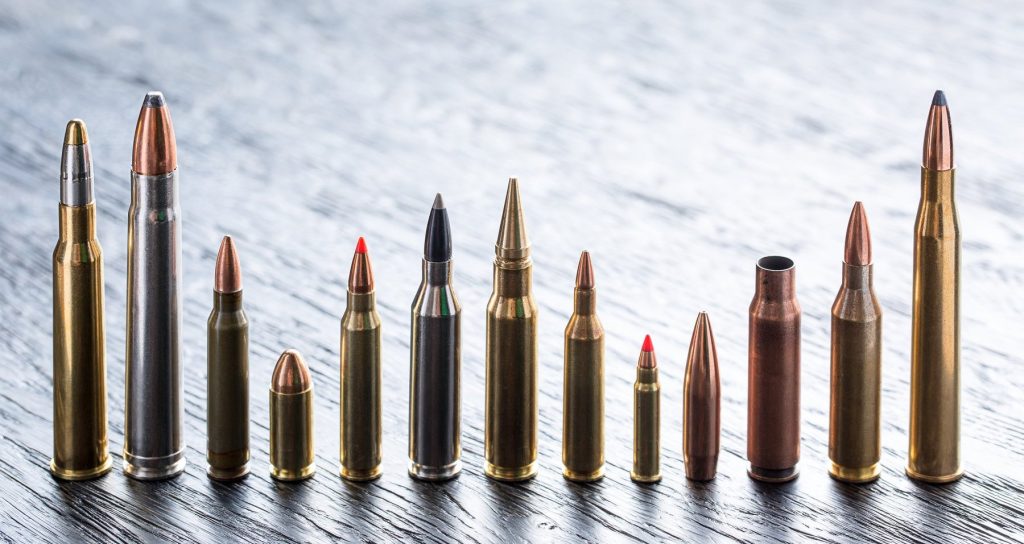
The rifle you want is on the dealer’s rack, the deposit is paid and the only thing between you and it is a variation that has been sitting with the licensing department for weeks. From now on the enquiry officer deciding that variation has a College of Policing guide to cartridges and calibres, written with the British Shooting Sports Council (BSSC), which the council put online on 25 November so that buyers can read it too.
What will the officer now understand about the calibre you have chosen?
The guide, titled Firearms Licensing: An Introductory Guide to Cartridges and Calibres and running to more than 30 pages, gives officers a quick reference to rimfire, centrefire and larger calibres, the legal minimum calibres and muzzle energies for deer in England and Wales with indicative distances, a section on Section 1 and Section 2 shotguns and another on target, vintage and classic cartridges. It then works through typical application scenarios with the key questions an officer should ask, a decision checklist, a list of common matters that need further enquiry, frequently asked questions and a glossary.
Its foreword describes it “as a practical reference document for firearms licensing staff when considering firearms, cartridges and calibres”, supporting professional judgement rather than replacing legislation, Home Office guidance or force policy. The sentence that matters to a buyer who has been told a .308 Winchester is too much for foxes, or a .17 HMR not enough, is this: “cartridge or calibre alone is rarely a reliable indicator of suitability, risk, or intended use.”
Preparing a variation that goes through first time
The guide does not publish a script, but it tells the officer to ask about the use rather than judge the number, and a buyer can prepare for exactly that conversation. Know what the rifle is for, the species and the ground, the ranges you will shoot at and why this calibre suits them better than one already on your certificate. If the land has been cleared for a smaller calibre, say so; if the purchase is a one-for-one replacement, say that too.
At the counter, nothing changes in law. A Section 1 rifle cannot be transferred to you until the slot appears on your certificate, so the dealer holds the gun and the sale waits on the variation. What the guide may change is how long that wait is: the BSSC expects fewer misunderstandings at the kitchen table, fewer unnecessary conditions or refusals and more consistent decisions on variations between forces, which is the difference between a rifle collected next week and a refusal to appeal.
Who wrote it, and why the trade was in the room
The document is version 6.0, dated September 2026, developed by the College of Policing in partnership with the BSSC, whose member bodies span game, clay, target, practical and historic arms shooting. Specialist contributions are acknowledged from the chair of the Historical Breechloading Smallarms Association (HBSA) and the technical director of the Gun Trade Association (GTA), so the people who sell the guns and the cartridges had a hand in how officers are told to read them. The council called the project a model for how policing, the shooting organisations and the trade can work together.
How long is the queue?
Longer every quarter. The latest National Police Chiefs’ Council (NPCC) figures show 68.76% of grant and renewal applications completed within four months, a fifth consecutive quarterly fall, with 114,409 renewals due in 2027. The August report of His Majesty’s Inspectorate of Constabulary and Fire & Rescue Services (HMICFRS) recommended bringing shotgun controls into line with those on other firearms, a consultation the Home Office says will come in due course; if that goes ahead, shotgun buyers will meet the good-reason conversation too.
What happens next
The guide can be downloaded from the useful information page of the BSSC website. The College of Policing has not issued its own announcement, and neither BASC, the Gun Trade Association nor the National Rifle Association had published a statement by 26 November. A buyer with a variation pending, or one about to apply before putting money down, should read the application scenarios and the calibre tables first: they are the questions the officer will ask. The council says it will keep working with the College on updates.
Frequently asked questions
Can I buy a rifle before my variation is granted?
No. A Section 1 firearm can only be transferred to you once your firearm certificate carries the authority for it, so the dealer holds the rifle until the variation is approved and the certificate is amended.
What does the College of Policing calibre guide tell enquiry officers?
That cartridge or calibre alone is rarely a reliable indicator of suitability, risk or intended use, and that the application scenarios, questions and decision checklist in the guide should shape the conversation with the applicant. It restates the law; it does not change it.
Where can I read the cartridges and calibres guide?
The British Shooting Sports Council has published the PDF, version 6.0 dated September 2026, on the useful information page of its website, bssc.org.uk.