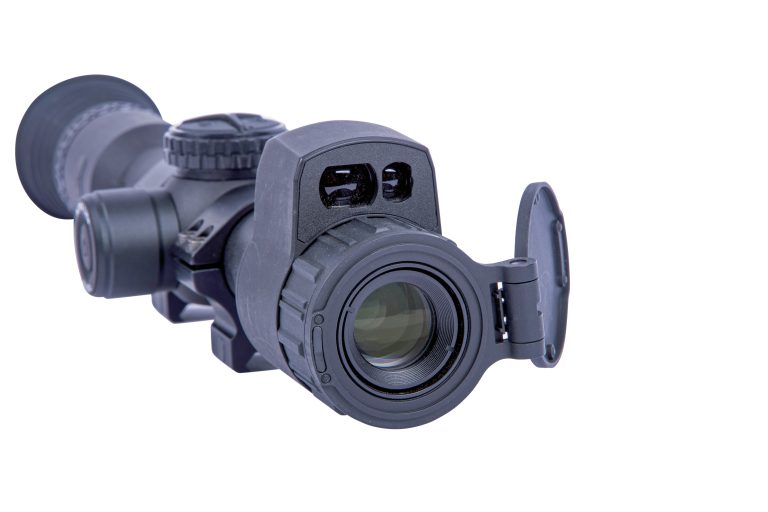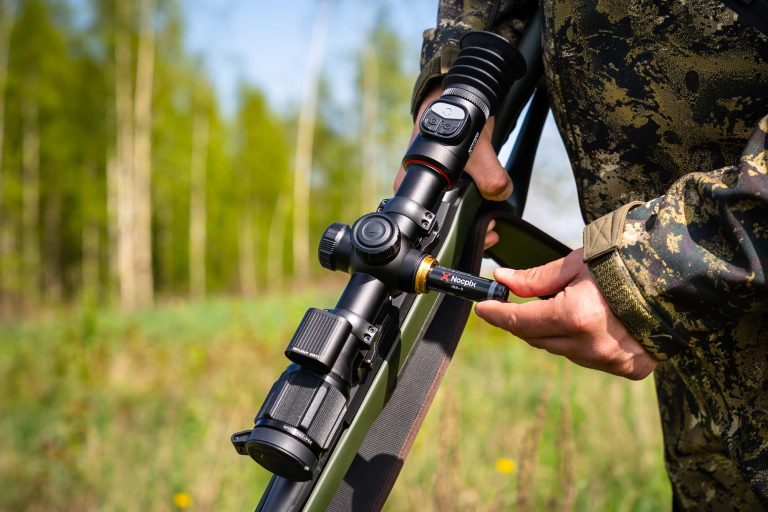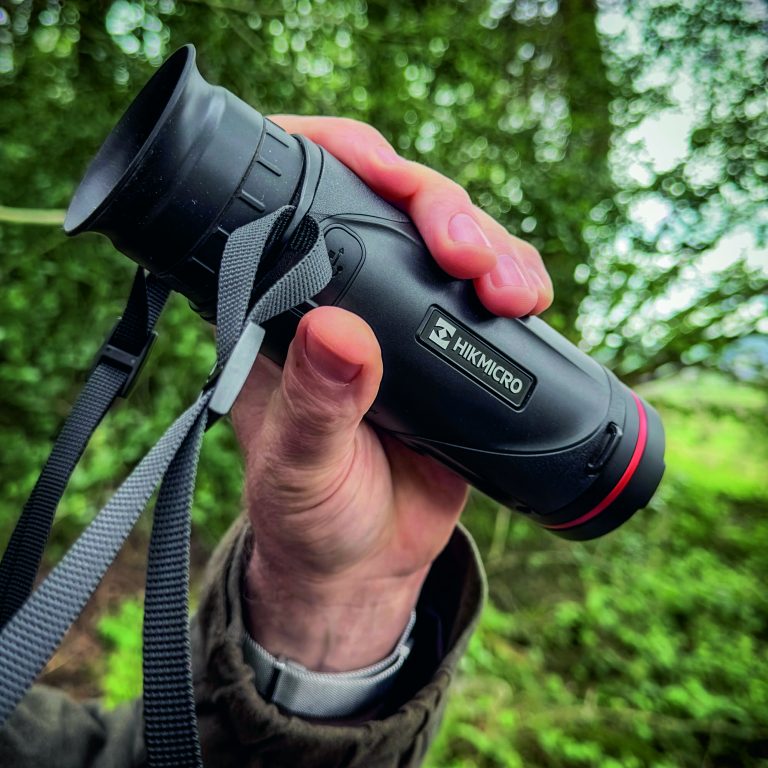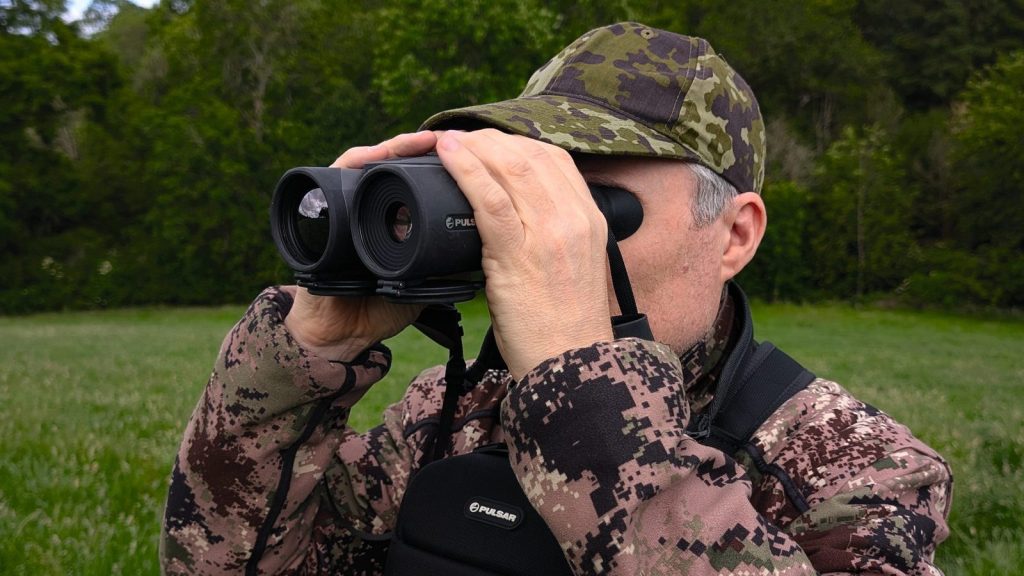
Multispectral binoculars have become a familiar sight in the field. They pair a thermal channel with a digital day and night channel, so you can flick between the two or watch both at once through a picture-in-picture (PiP) window.
Anyone moving across from a thermal monocular will value being able to confirm what a heat source is without reaching for a separate pair of day binoculars or a digital night-vision unit.
There is less weight and clutter hanging round your neck or stuffed in your pockets, and because the channels switch instantly, you can follow the animal without a break while the sometimes confusing thermal picture stays anchored in a landscape you recognise.
Many models carry a laser rangefinder too, so the range is always at your fingertips rather than in a pocket. And there is one battery type to keep charged instead of several.
Pulsar Symbion LRF DXR50 specification
- Type: Multispectral binoculars, thermal plus 4K digital day and night
- Thermal imager: 50mm
- Laser rangefinder: 1,500m maximum
- IR illuminator: 850nm LED, flood-to-spot focus
- Display: 1920×1080 AMOLED
- Batteries: Two APS5 cells and a twin charging dock supplied; USB-C charging
- Weight: 1kg (2.2lb) as tested
- Price: £3,779.95
- Contact: pulsar-vision.co.uk
Prices are RRP at the time of publication and may since have changed.
What sets it apart from cheaper rivals
Like everything in this fast-moving market, there is plenty to choose from, and most of it comes from China, which tends to mean attractive prices and performance to match. The Symbion LRF DXR50 is not one of them. Pulsar knows it cannot undercut the big Chinese optics makers, so it competes on quality instead, and in doing so it changes the whole experience of using the device.
In fairness, I do not think Pulsar beats its rivals on digital day or night performance, and nobody would expect it to. What it does is lean on what it is good at: long experience in thermal imaging and a real gift for ergonomics. In use, the thermal channel tells you so much that the digital channel is rightly the supporting act, and both the on-screen interface and the physical controls are quick and a genuine pleasure to use.
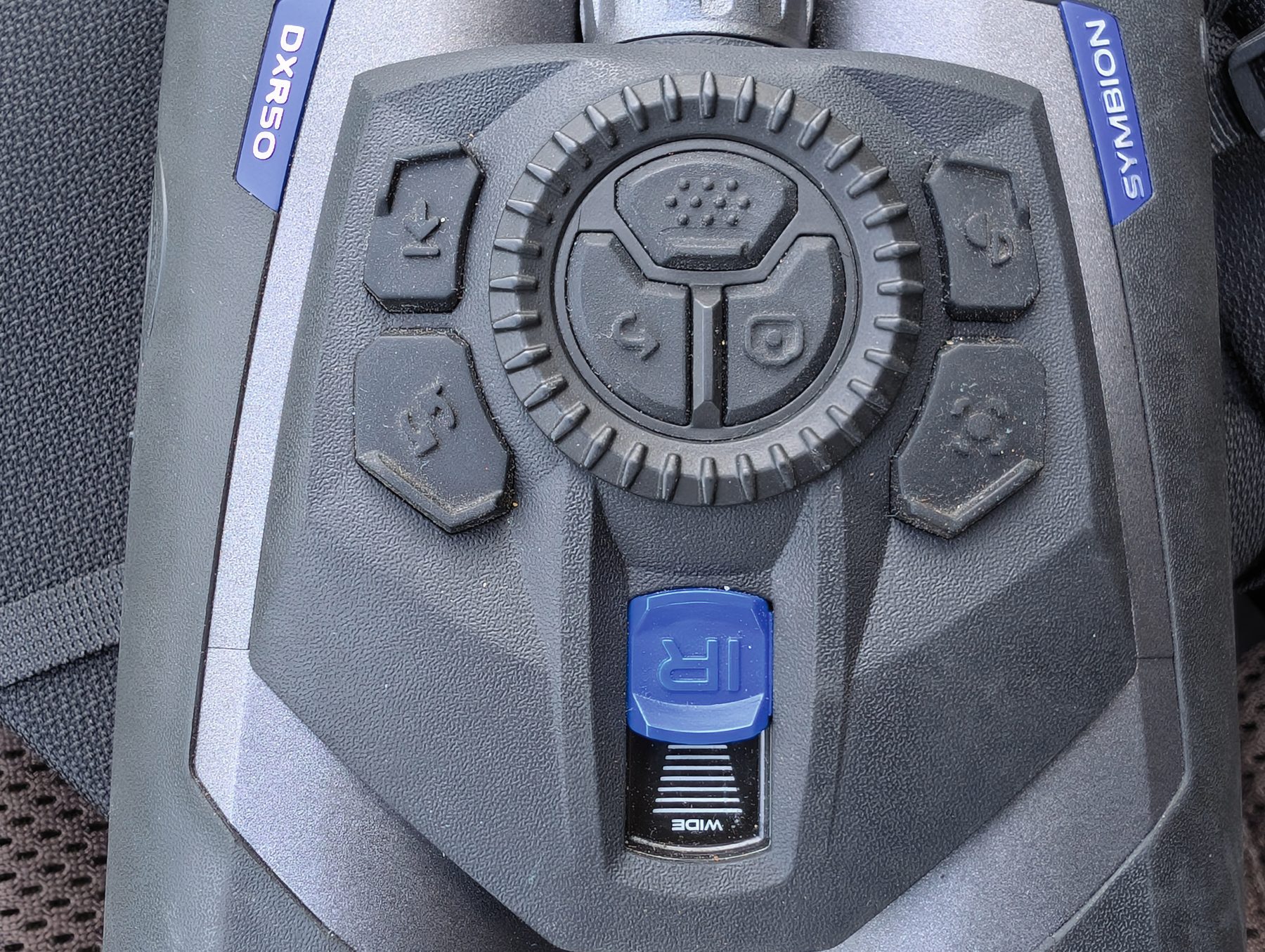
One barrel holds a 50mm thermal imager and the other a 4K digital camera, each behind a hinged, non-rotating quick-detach (QD) cap that folds flat beneath. Set flush into the bridge are the 1,500m rangefinder and the 850nm IR LED that lights up the digital night channel. Further back is a blue slider that focuses the IR beam from flood to spot, followed by a set of rubberised buttons.
The buttons fall into two groups. Inside a ridged ring, which works as both selector and zoom dial, sit three buttons for imaging, calling up the menu and moving between menu levels. The ring separates them by feel from what I regard as the main controls: a pair of buttons either side.
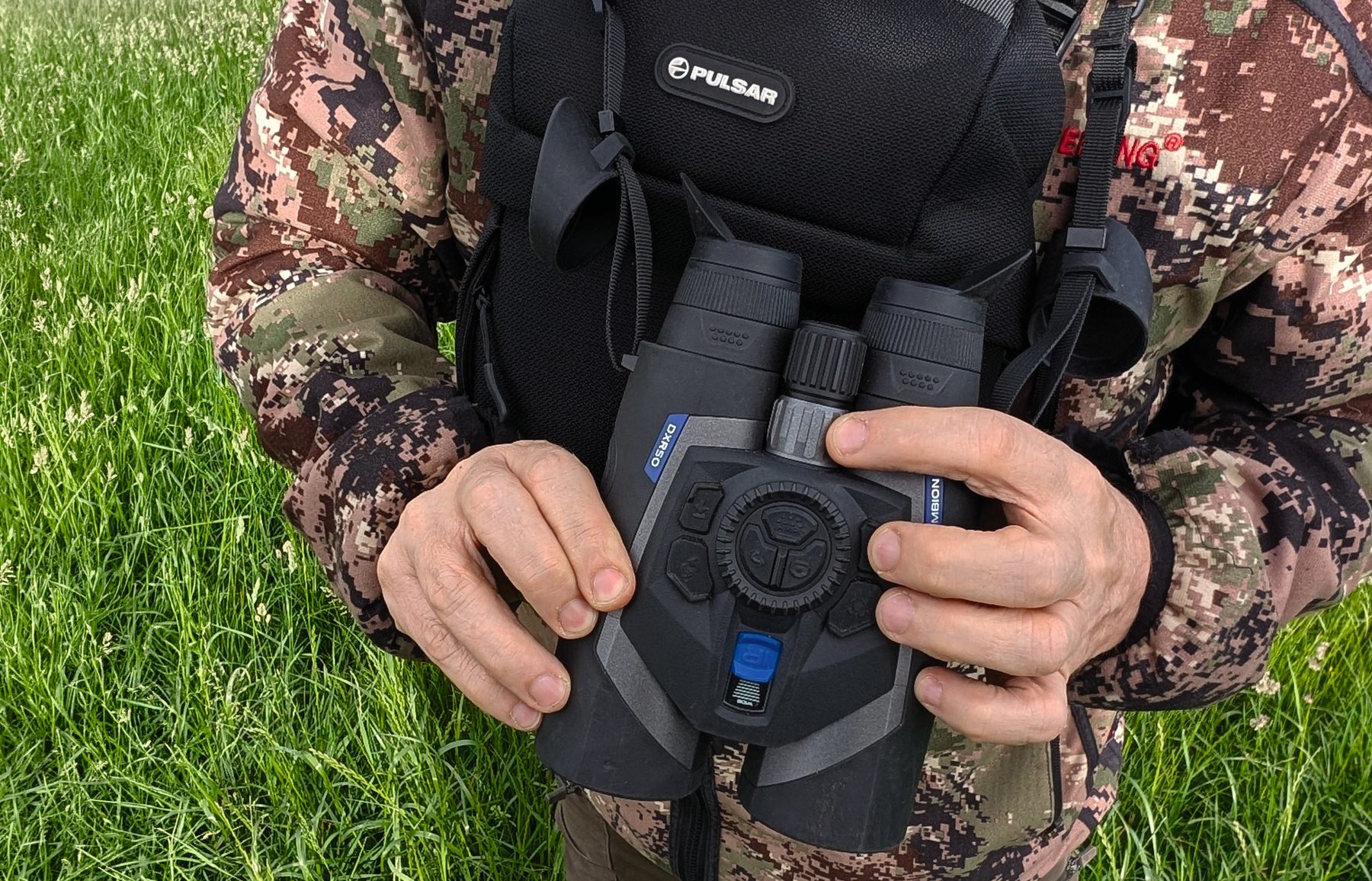
One pair changes channel and fires the rangefinder; the other changes palette and calibrates the thermal sensor. Both sit exactly where your fingers rest, and the menu lets you swap sides to suit. You can also trim the list of palettes to only the ones you use, which makes changing between them quicker.
Focusing and switching on
Focus is all handled at the back. The eyepieces slide together or apart to match your eye spacing (interpupillary distance), and each focuses separately onto the 1920×1080 AMOLED screen. Between them, a twin dial focuses the pictures: the smaller wheel nearest your face for thermal, the larger one nearest the bridge for digital.
I have never found focusing so easy or so precise. The dials are under your fingertips, so your hands stay put, and the movement is so smooth that nothing twists the view. It sounds minor, but it sums up how much better Pulsar has made the whole experience.
The power switch has the same effect. It sits under the focus dials and works like the crisp three-position safety on a top-end rifle: left for off, right for on, centre for standby.
You can also leave it on and let the proximity sensor wake and sleep the screen. That is quick, but I got into the habit of flicking it out of standby as I reached for the binoculars, so the picture was there the instant they reached my eyes. I am not sure why I like that switch so much, but it is so positive and tactile that you never wonder what state it is in.
They are small details, but they add far more to the confidence and enjoyment of using the Symbion than their size would suggest.
The armour deserves a mention too. Everything is rubber-armoured now, I know, but whatever covers the Symbion feels tougher, grippier and better fitted than anything I have tested before.
Battery, case and carrying options
The battery can seem fussy at first, because each APS5 cell needs a twist-on cap before it goes in. Once fitted, though, it locks firmly and sits flush with the curve of the barrel. Two APS5 batteries and a twin charging dock come in the box, and you can charge in place through a USB-C port tucked under a rubber flap beside the left strap loop.
Pulsar has been generous with ways to carry it. There is a wide neoprene neck strap with QD clips, and a heavily padded case with small accessory pouches on the sides and a quiet roll-forward lid.
Fastex clips on the back corners of the case take a deluxe harness with a wide, comfortable yoke, turning the case into a bino caddy, and there is also a lightweight harness that clips straight onto the Symbion.
Every one of them is well made, with first-class materials and stitching. My one complaint is the colour. Pulsar has stuck with black rather than green, bronze or flat dark earth, which suggests a night-only mindset that the Symbion has long outgrown.
Interface, apps and image quality
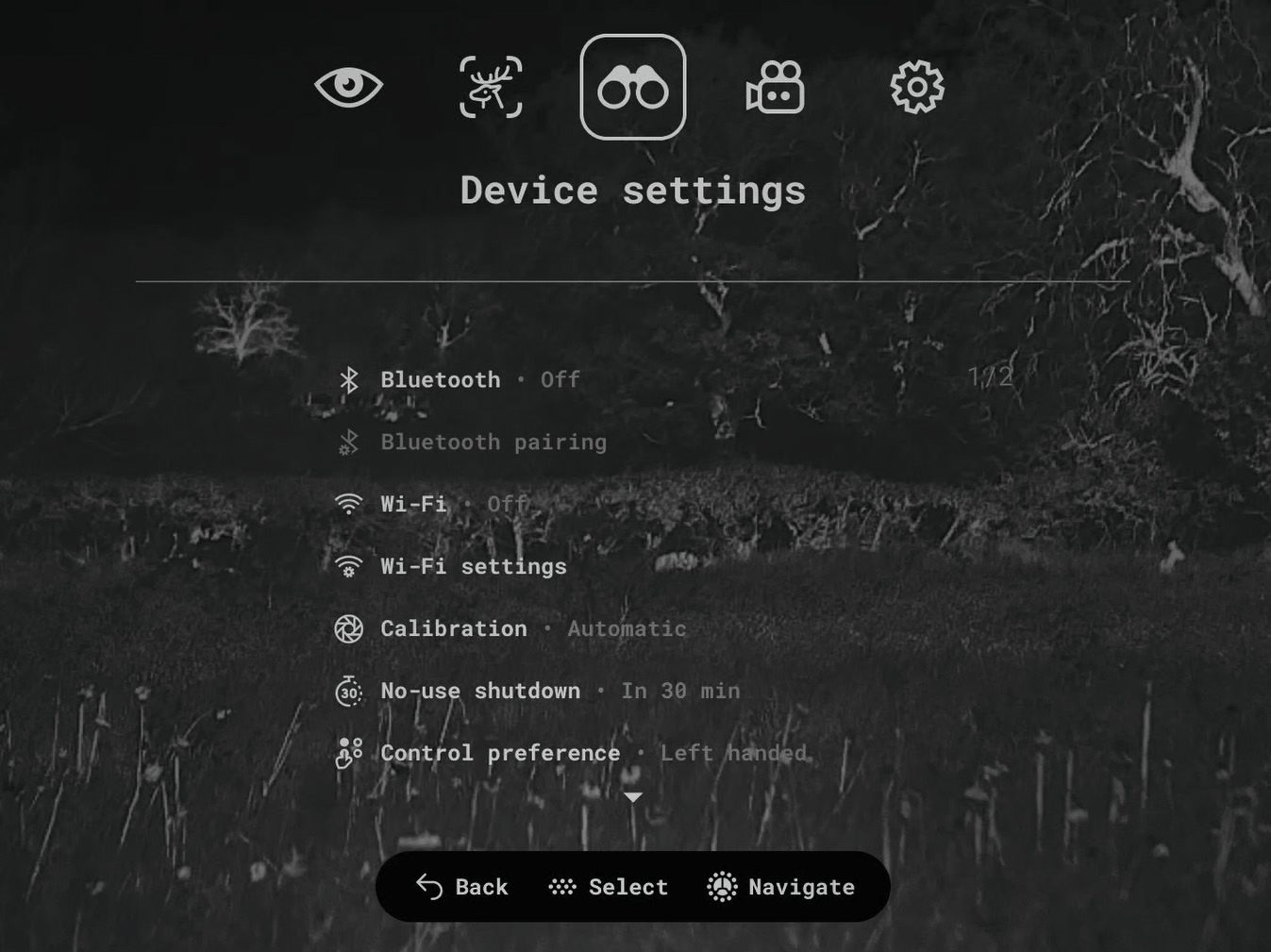
I love the on-screen interface as well. The icons and text are clear, self-explanatory and still manage to look stylish. The menus are full without being cluttered, and you get around them quickly without endless scrolling. It pairs easily with Pulsar’s Stream Vision apps for remote viewing and control and for handling photos and video, and you can load custom ballistic profiles so that every time you range an animal you get the holdover for the rifle you are carrying. One tip: read the manual before you try setting up the Bluetooth pairing.
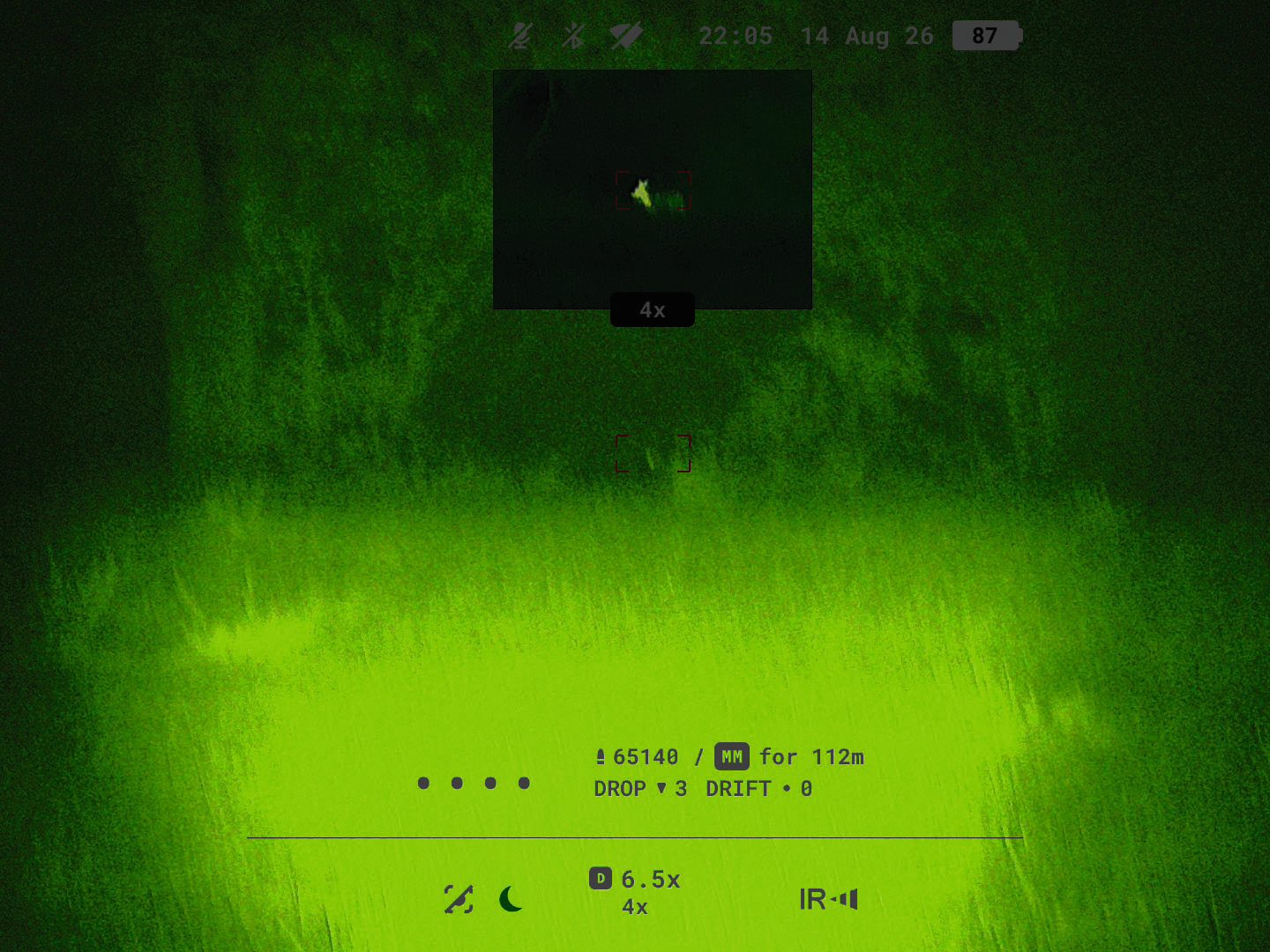
As for the pictures: thermal is excellent, day digital is good and night digital lacks range. By day I kept my Leica binoculars in a back pocket for when I wanted pin-sharp detail, true colour and no lag. At night I used thermal nearly all the time, because the sensor and base magnification covered almost all my detection and identification, and because the built-in IR does not reach far. An extra illuminator can go on the tripod socket underneath, but it adds bulk.
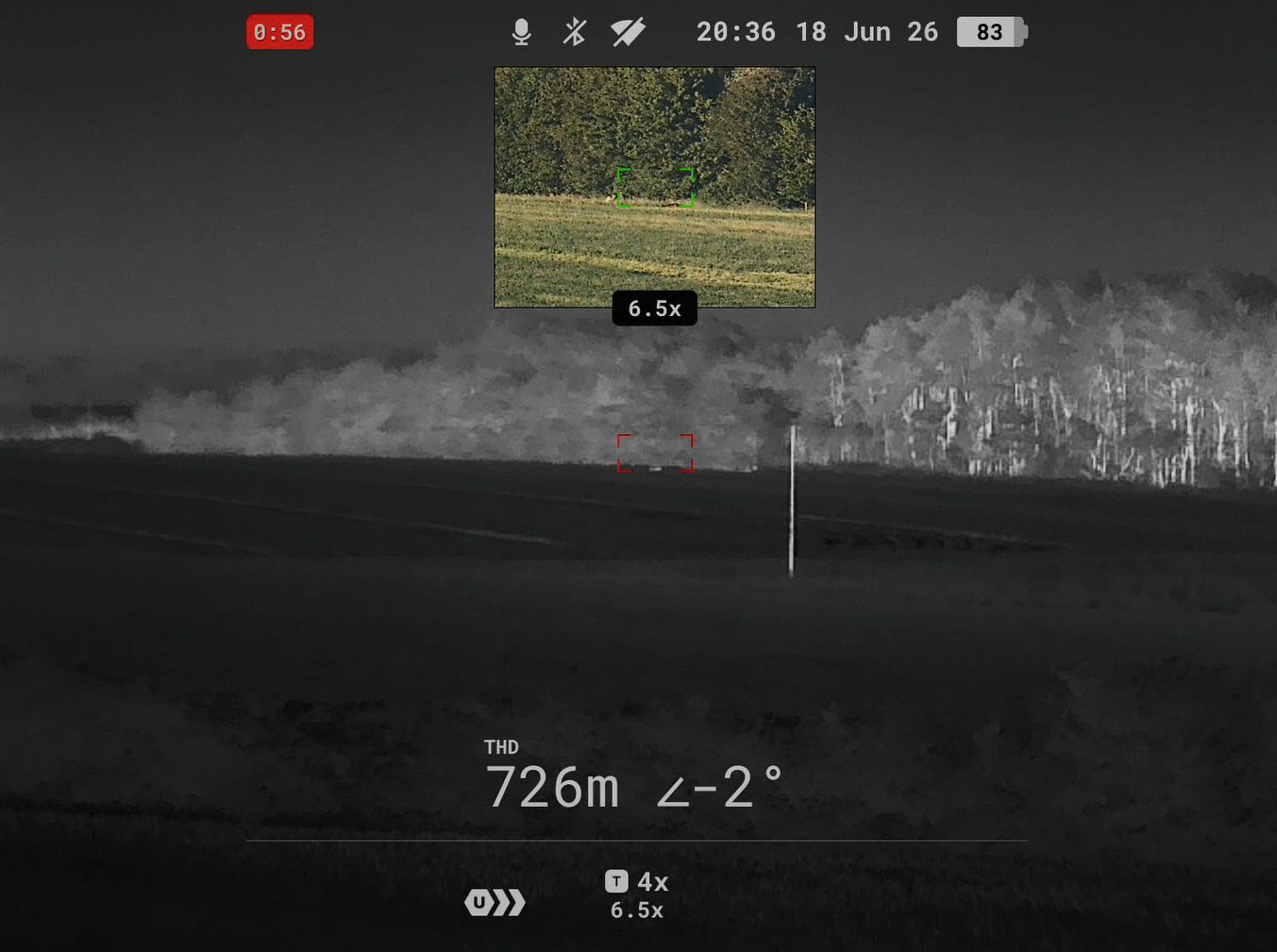
Honestly, those limits do not bother me. As with any multispectral binocular, the digital channel is there to give the thermal picture context. What counts is seeing the animal and its surroundings in thermal on the main screen, with the most useful second channel in the PiP window or a quick switch away for confirmation.
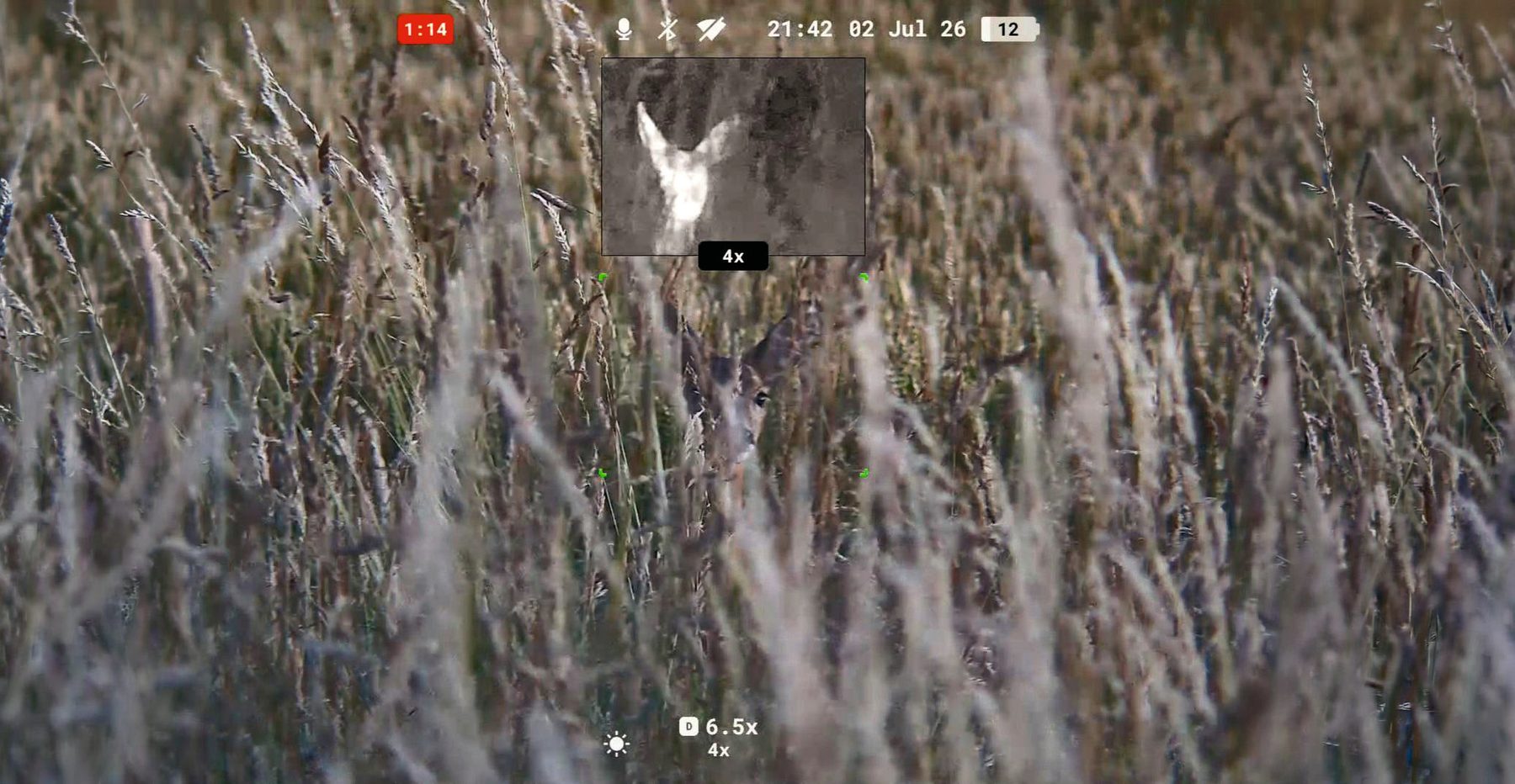
Unlike some rivals, the Symbion lets you decide exactly how each window is used, and it will even turn the illuminator on and off for you as you open and close the night channel.
Verdict: is the Symbion worth £3,779.95?
There is no getting round the price. The Symbion does thermal noticeably better than the Chinese units I have used, with a picture that looks more natural and less AI-processed, but its digital channel is nothing out of the ordinary. Even so, it gave me by far the best experience I have had with any multispectral binocular.
The build quality, the instinctive controls and the range of carrying options add up to a strong case that, for anyone who can afford them, these are the ones to buy.
- Best for: The stalker who relies on thermal and wants one device to detect, identify and range
- Worth knowing: The built-in IR is short on reach, so the night digital channel is limited without an add-on illuminator
- Price: £3,779.95
Frequently asked questions
What does the Symbion LRF DXR50 cost?
£3,779.95 RRP at the time of publication.
What is a multispectral binocular?
One device that puts a thermal channel and a digital day and night channel side by side, so you can switch between them or see both at once. Most, the Symbion included, also carry a rangefinder, doing the work of a thermal monocular, day binoculars and a separate rangefinder.
How far does the rangefinder reach?
Up to 1,500m. Load a ballistic profile through the Stream Vision Ballistics app and it shows the holdover for your rifle each time you range.
How good is the digital night channel?
It is the weak point. Thermal is excellent and day digital good, but at night the built-in IR lacks reach. An extra illuminator can be fitted to the tripod socket, at the cost of bulk.
Related articles
Pulsar Accolade XP50 thermal binoculars – thermal-only binoculars from the same maker.
ThermTec Wild 650 DL PRO thermal monocular – a premium handheld thermal at a lower price.