Gun Reviews >
 Find a Dealer >
 Find a Club >
 Competitions >
 videos >
 Reader Survey >
RIX Tourer T50 4K review: a £699 day/night riflescope new to the UK
- Last updated: 25/09/2026




RIX Optics is a Texas brand American hunters already know. Rob Hardy tests one of its first UK arrivals, the £699 Tourer T50 4K day/night riflescope, on foxes and muntjac over the harvest stubbles.
Most American hunters would know the RIX Optics name straight away. Set up in 2023 and based in Richardson, Texas, the company has built a following quickly by packing its digital scopes and monoculars with features and pricing them keenly. Over here, though, RIX will be new to most shooters in a market that is already crowded. I got hold of one of the first models to reach the UK, the Tourer T50 4K, through importer Country Sports Wholesale.
The Tourer T50 4K is the premium day/night scope in the RIX range. It is pitched at the pest controller or deer manager who wants to carry on shooting as day turns to night without spending a fortune to do it. The first thing you notice is the weight, or lack of it, at around 870g depending on the battery fitted. It balances well too, with a conventional centre-balanced layout that feels familiar and natural, which most shooters, me included, will appreciate.
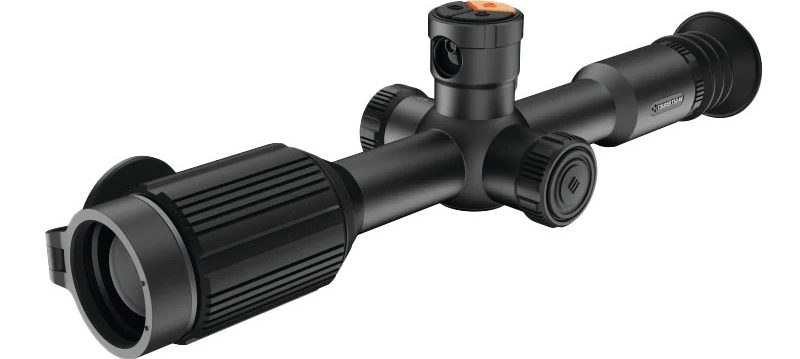
The RIX Optics Tourer T50 4K, £699
Prices are RRP at the time of publication and may since have changed.
In the box are two 21700 (4850mAh) rechargeable batteries, plus an adaptor sleeve so the scope can run on standard 18650 cells instead. There is a battery pouch, a USB charger and lead that will charge either size, a rubber eye cup, a mount for an IR illuminator and a pair of two-piece 30mm rings for a Picatinny rail. It is a very complete kit. Even the scope and illuminator mounts come with their own hex keys, so apart from a torque screwdriver, everything needed to mount it and get going is included.
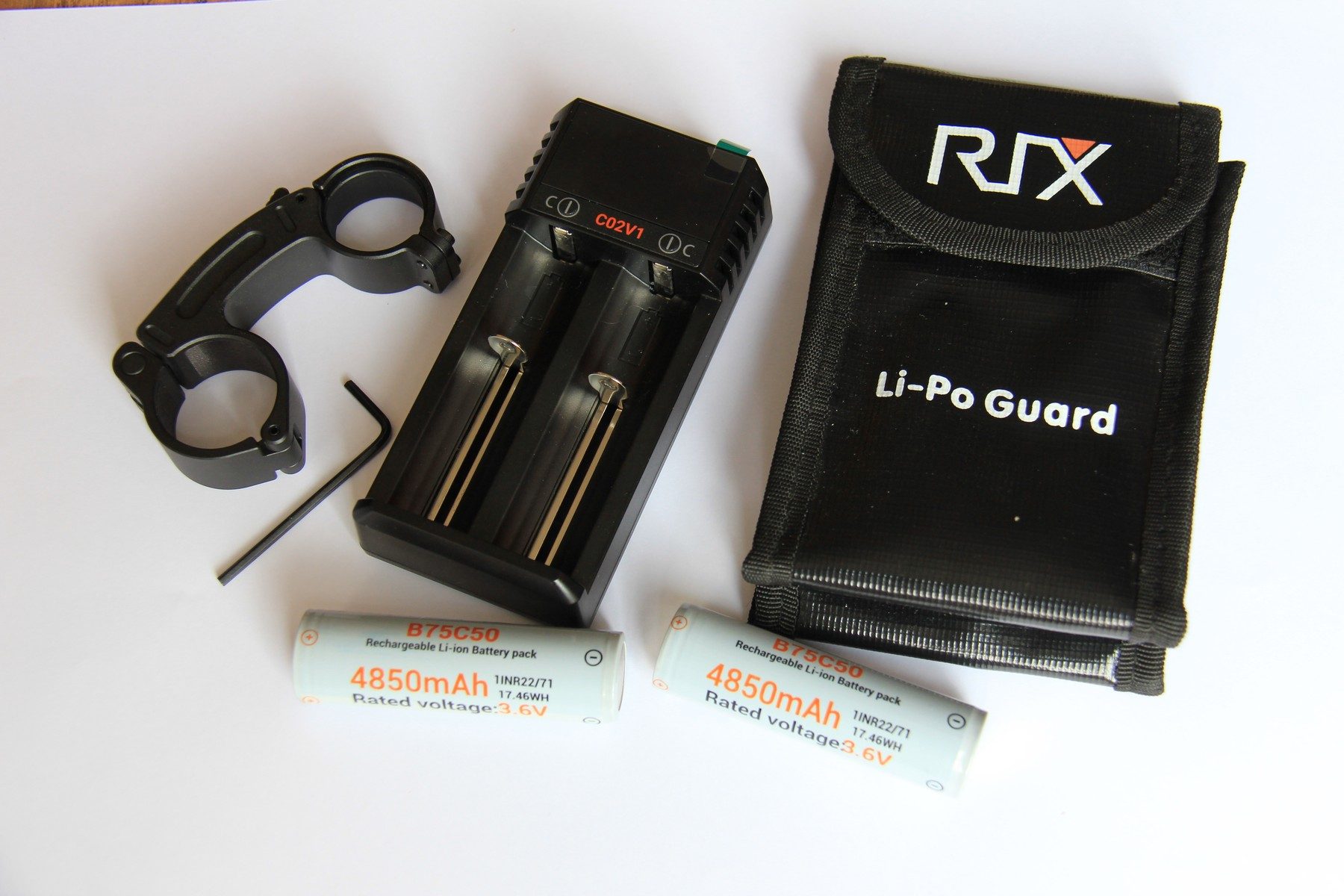 IR mount, USB charger, two 21700 batteries, pouch and adaptor all come in the box
|
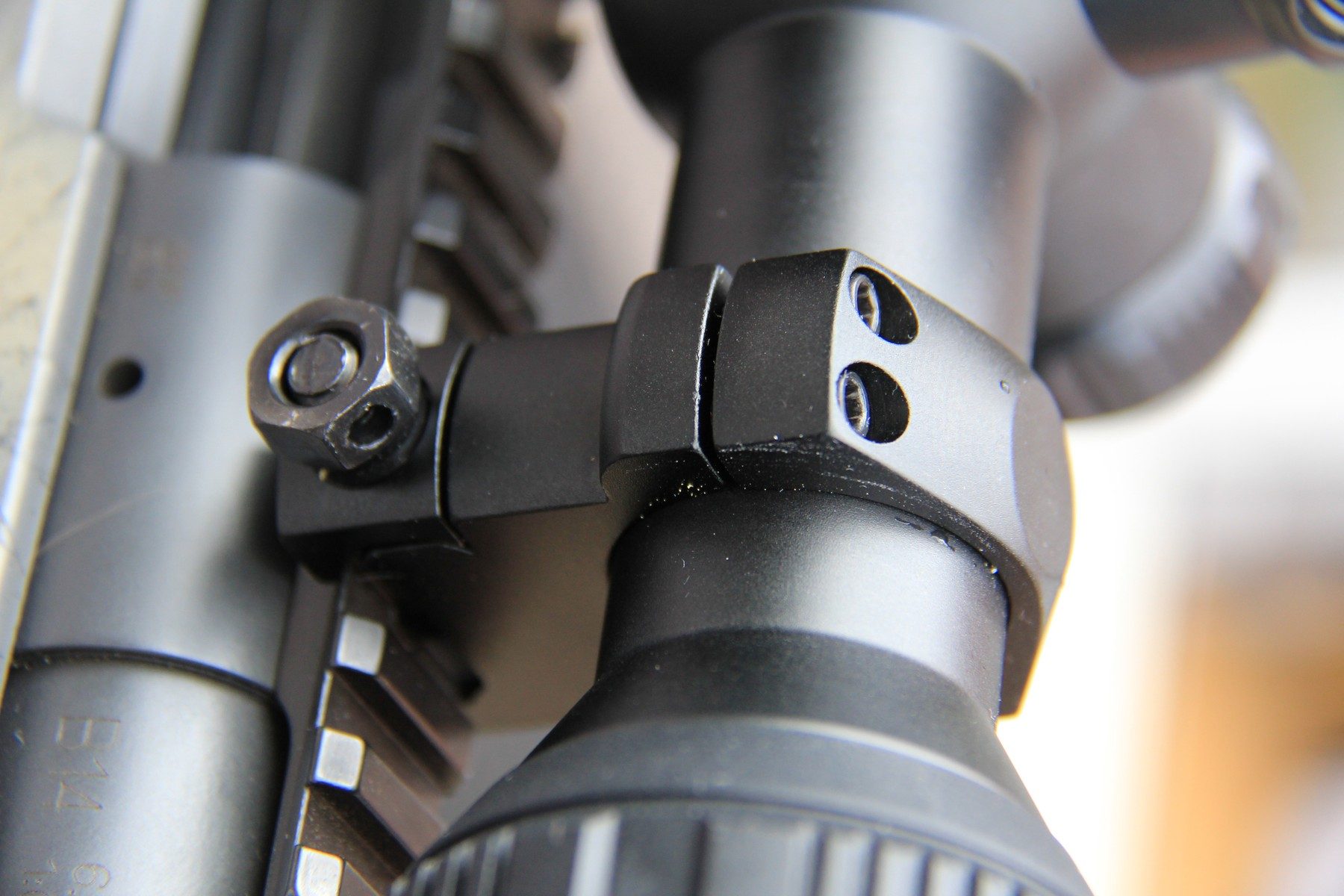 A set of 30mm rings is supplied as standard
|
Up front is a 50mm objective with an F1.2 aperture, among the widest in this class, so it gathers plenty of light. RIX says that is 2.25 times the light of an F1.8 scope, and it is backed by a large 3840 x 2160 4K CMOS sensor.
It is obviously built for low light, but how does it do by day? The 50Hz, 1920 x 1080 AMOLED display and the standard daytime mode give natural colours and good results. RIX has added a Day-Vivid mode that lifts colour and contrast, a bit like wearing polarised sunglasses. There is also a monochrome Night mode plus green and yellow colour options, which I tried but never felt the need for in the field.
These modes and a long list of other settings are reached through a button on the end of the left-hand turret, and you scroll through them by turning the outer wheel. Options include reticle shapes and colours, MP4 or JPEG for video and stills, and zeroing profiles. The profiles tie in with the built-in ballistic calculator, which stores up to five zeros, so the scope can move between rifle and ammunition combinations without being re-zeroed.
Zeroing is made much quicker by a freeze-reticle function. You lock the reticle at the point of aim when you take the shot, then move it to where the pellet or bullet actually landed.
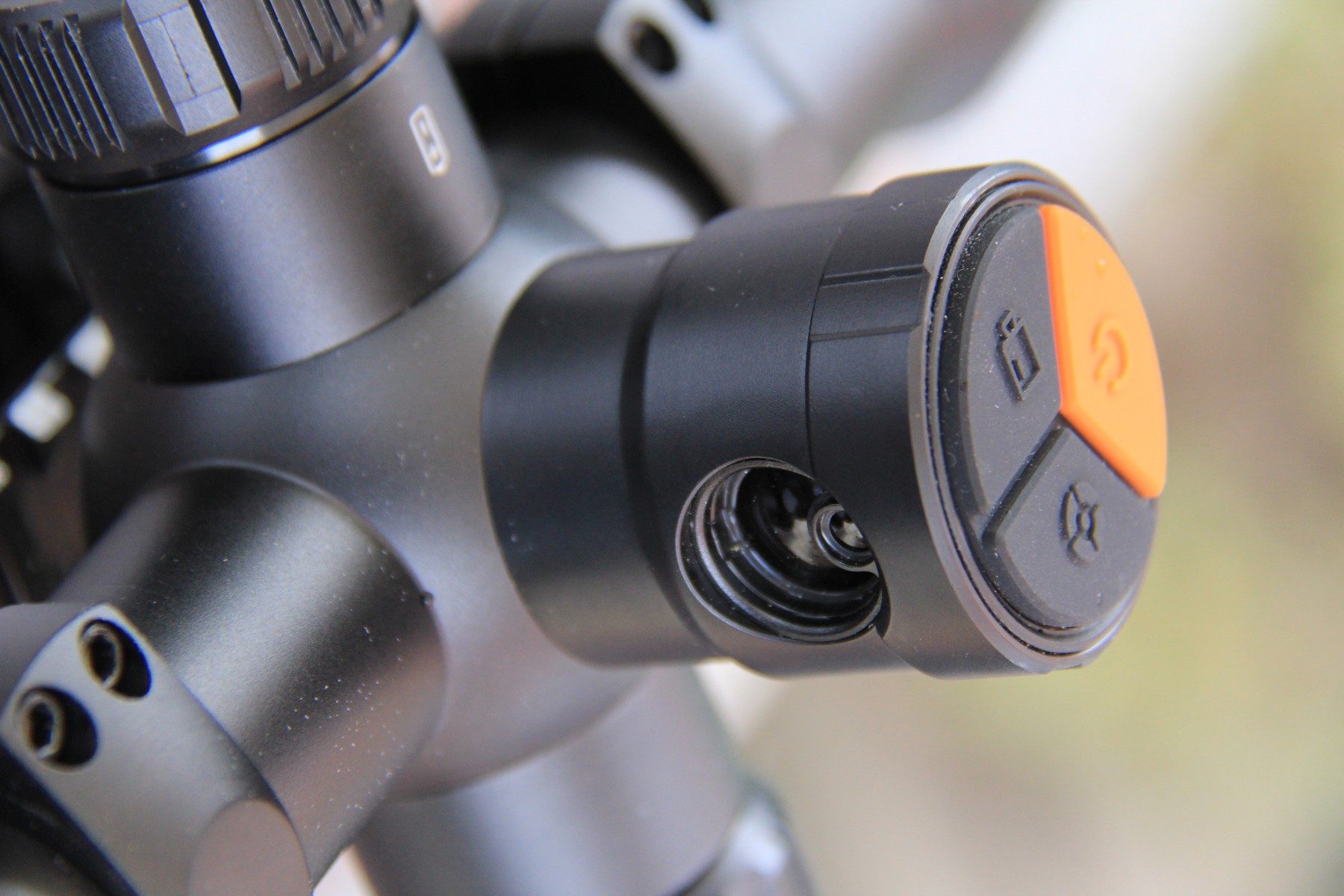 The left turret button selects modes and menus, and the outer wheel zooms and scrolls
|
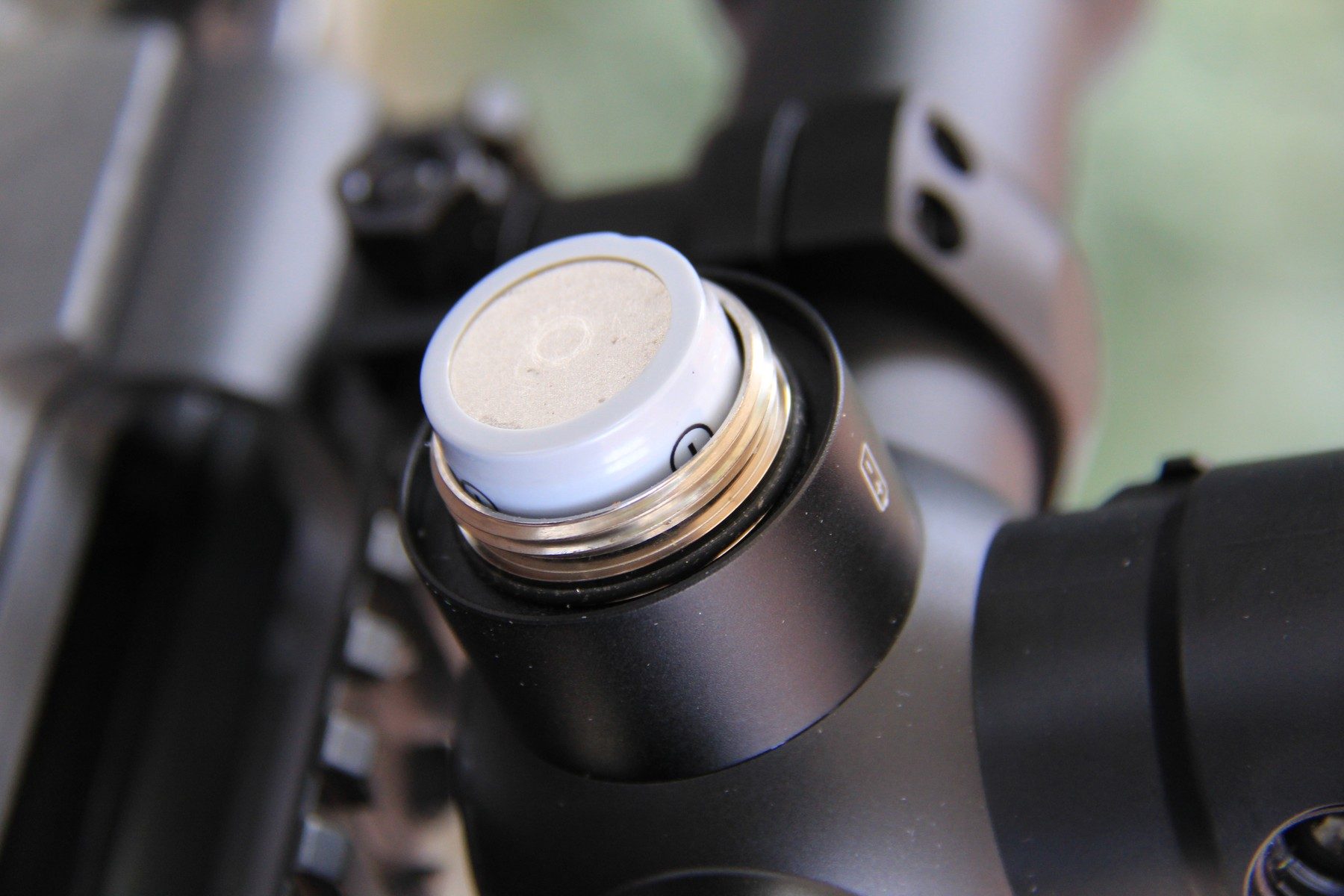 The battery lives in the right-hand turret and is quick to change
|
The other controls are grouped on the central turrets. The left-hand wheel runs the magnification from 3.5x to 28x and is easy to use without coming off the target. The right-hand turret holds the battery, good for about 6.5 hours in Night mode and 3.5 hours in Day mode. A press of the orange power button drops the scope into standby to save power and wakes it again instantly.
The laser rangefinder (LRF) sits in the central turret and reads to 1,500m at night and 1,200m by day. It proved accurate, matching my LRF binoculars, and it feeds the ballistic calculator, which shows a suggested aim point in the reticle for the profile you have chosen.
A welcome extra is the on-screen readout of cant and elevation angle. I found it handy when mounting the scope, and again when shooting off a bipod or sticks.
One of three buttons on top of the central turret fires the rangefinder. The others start video recording to the 64GB internal memory. Holding the orange button switches the scope on and off and also takes you out of the menus. A big focus ring on the front is easy to turn, even in gloves.
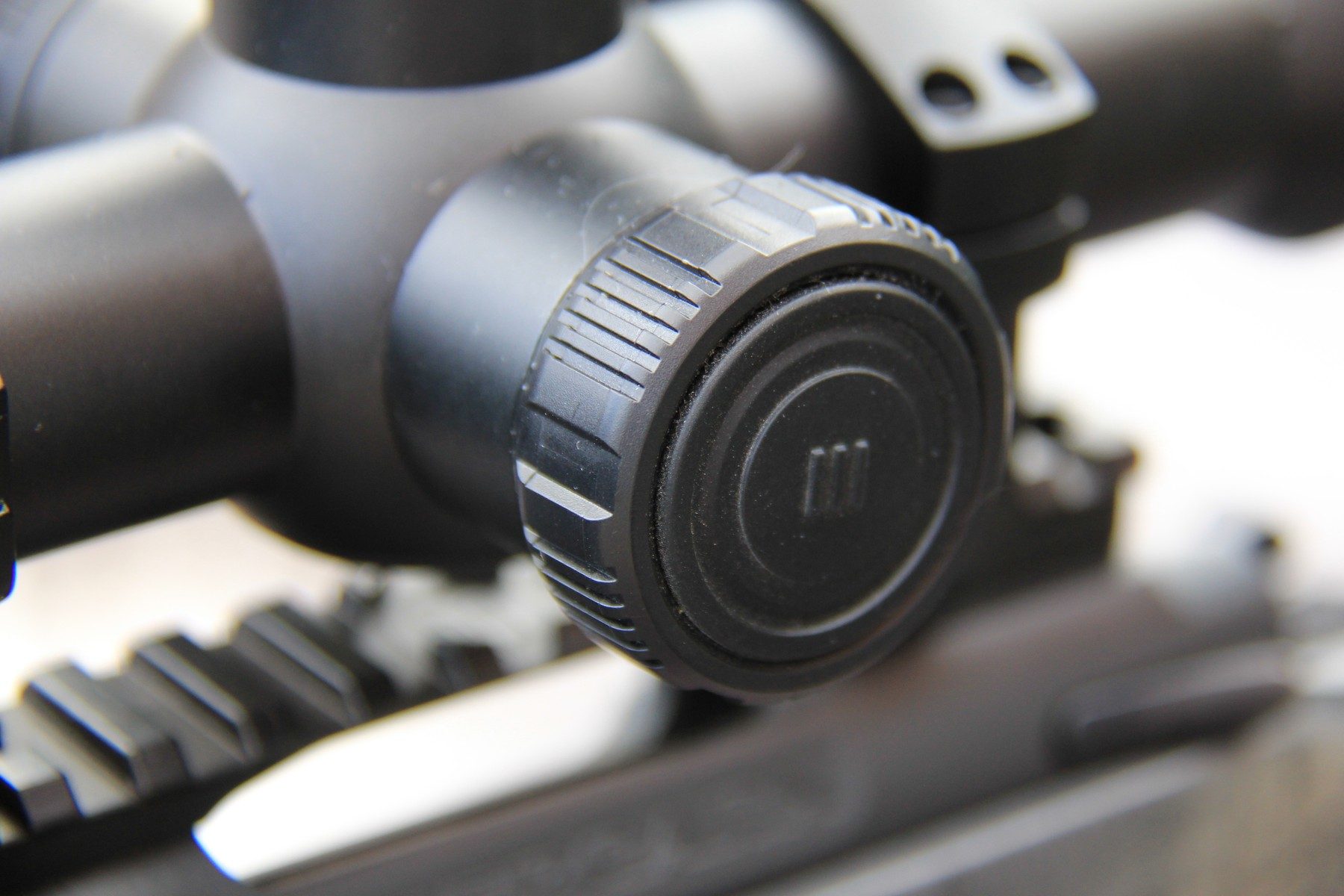 The rangefinder sits in the central turret, fired by one of three buttons on top
|
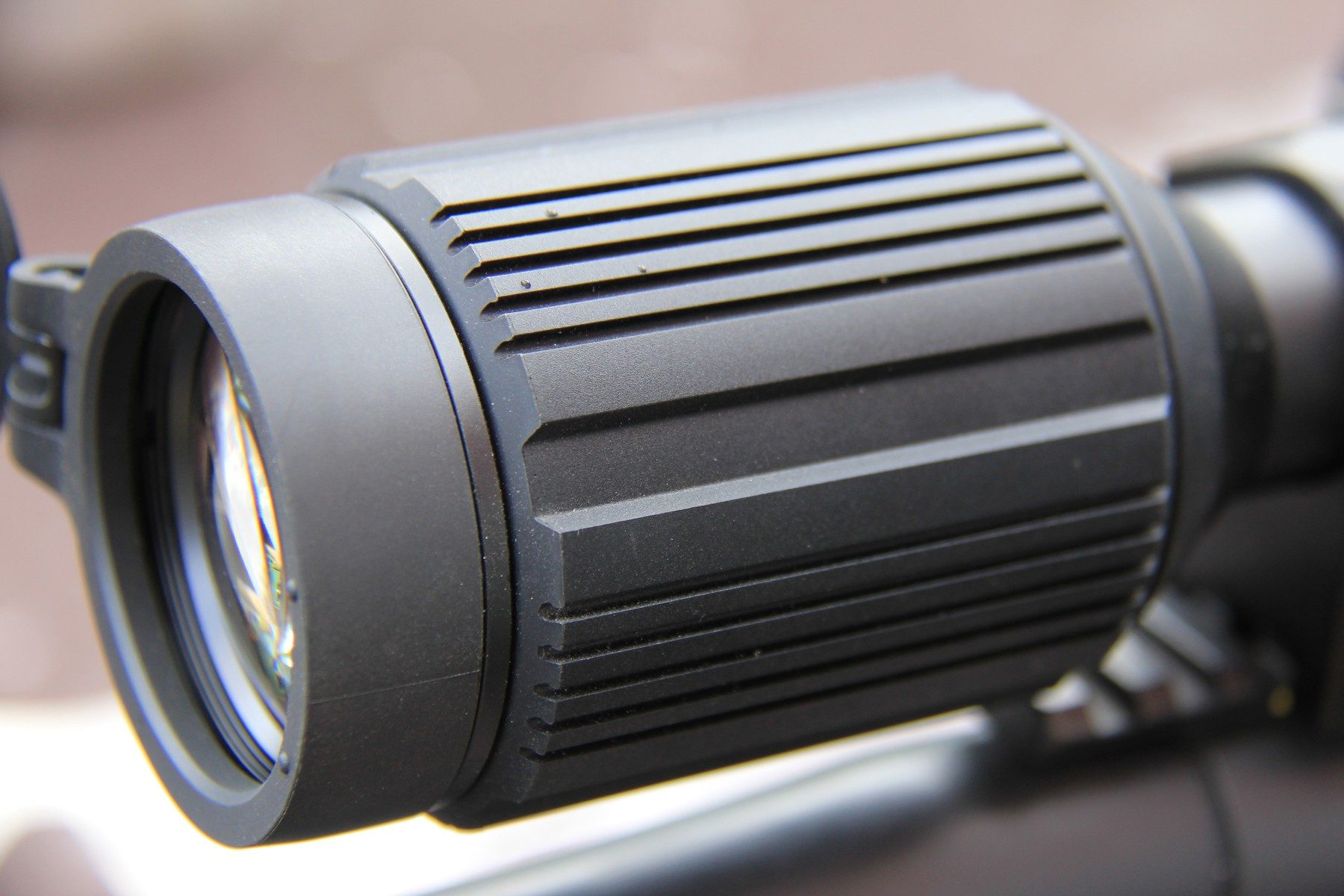 The large, grippy focus ring
|
The front cap flips back for use, but it also has a small sliding aperture, so the scope can be used with the cap shut to cut the light reaching the sensor. On bright summer days this stopped the sensor being overwhelmed and gave a sharper picture.
On top of all that, there is the RIX+ app for your phone. Using the scope’s own Wi-Fi hotspot, it streams the live view, plays back recordings and lets you change every scope and ballistic setting.
The same design, layout and menus are used across the RIX thermal scopes, so anyone using more than one model will feel at home straight away.
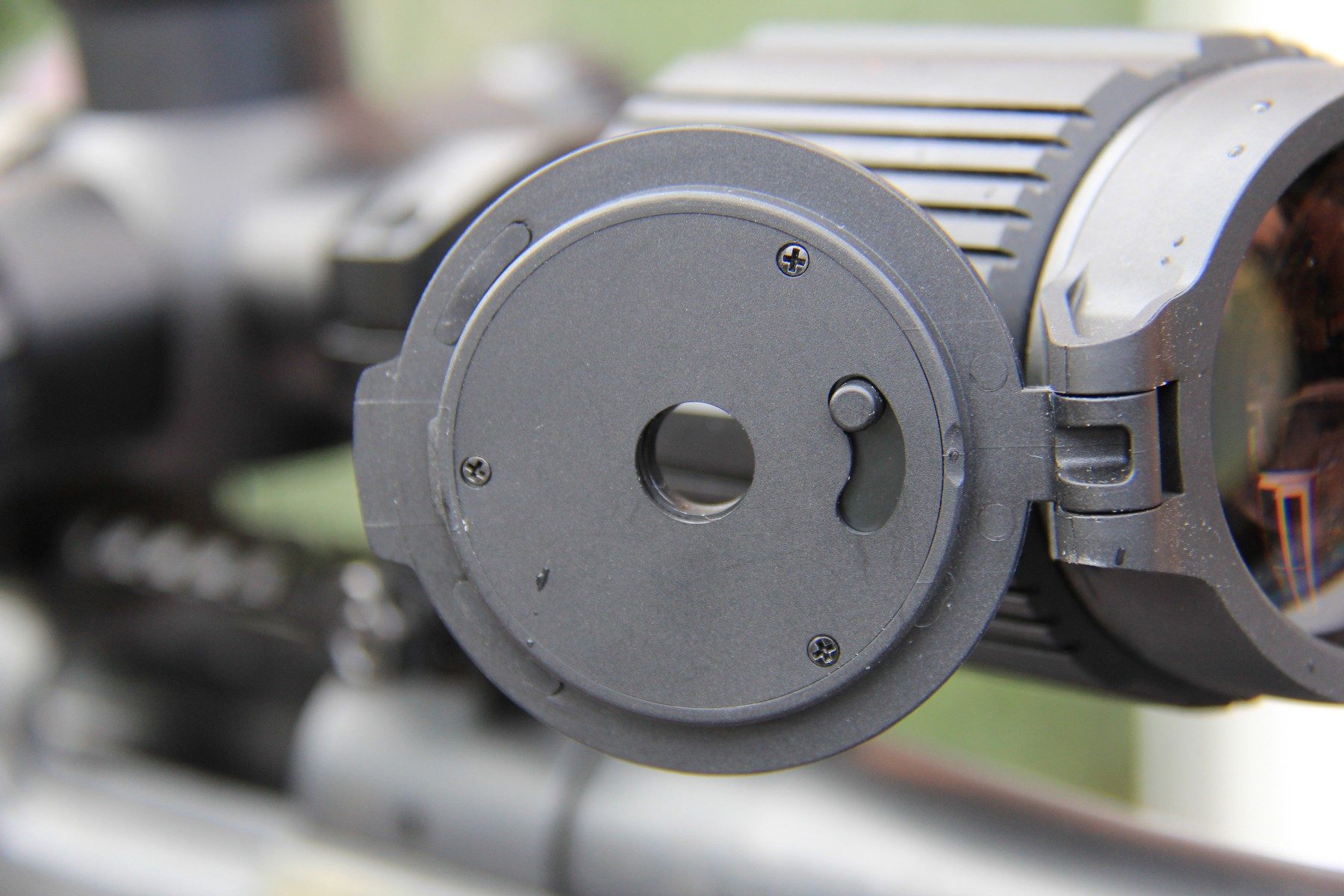 With the cap shut and the aperture open, less light reaches the sensor on bright days
|
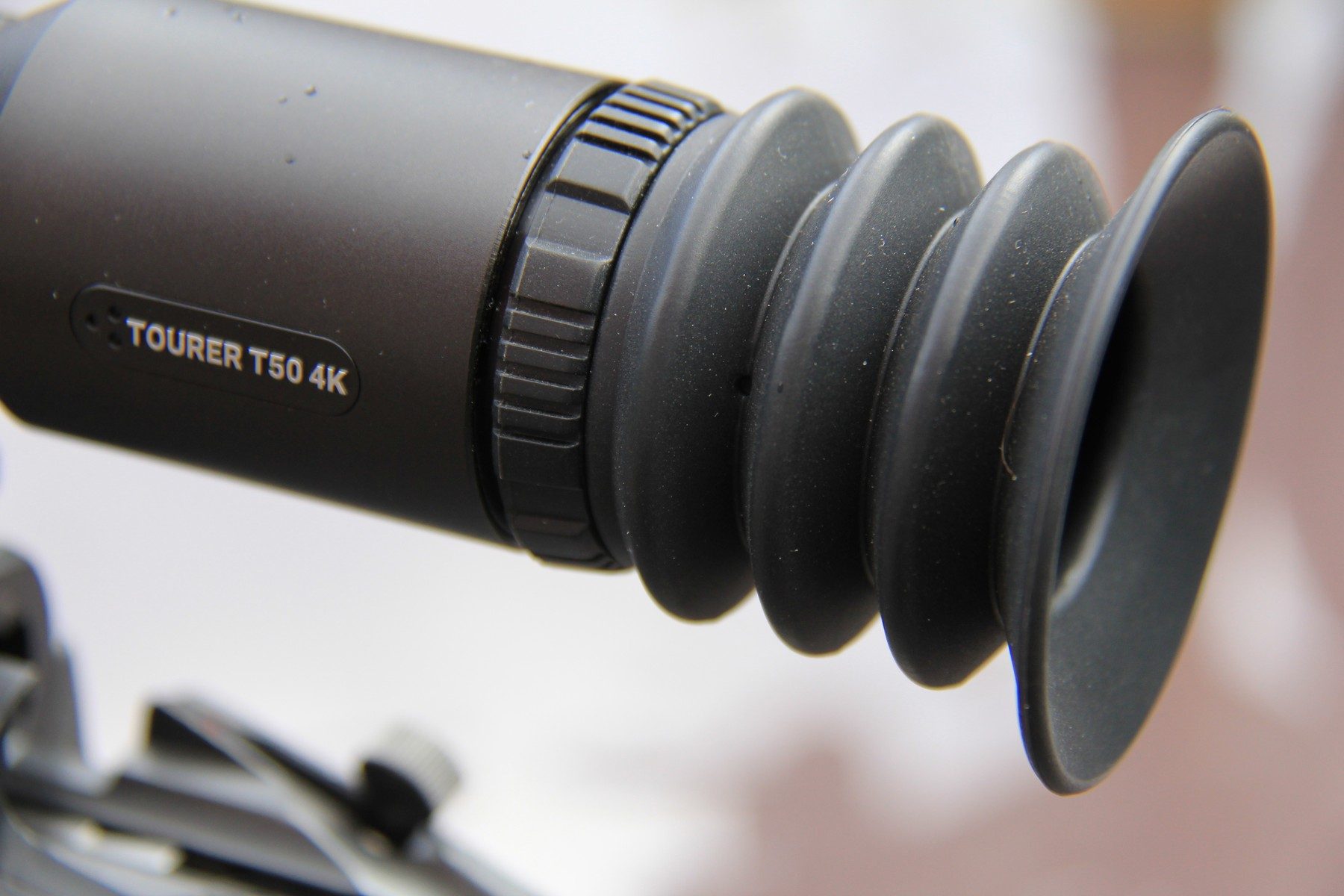 A rubber eye cup is included
|
The Tourer arrived just ahead of harvest, and once the combines were out I had perfect evenings to try it on foxes and muntjac over the stubbles. Day-Standard was perfectly usable, but Day-Vivid gave a noticeably sharper picture and kept the scope useful further into dusk before I had to go to Night mode, although the image did get more pixelated as the light faded.
When it was too dark to see with the naked eye, Night mode showed what the Tourer can really do. Contrast between animal and background was good, and telling hares, foxes and deer apart was easy. Zoomed in, I could even see whether a deer was a buck or a doe, and the detail was very good for a scope at this price. An IR illuminator extended its range, but without one it was still good for shots to 100 yards in anything short of complete darkness.
The run time looks a little short on paper, but on the 21700 batteries I never once had to swap, though I always carried the spare.
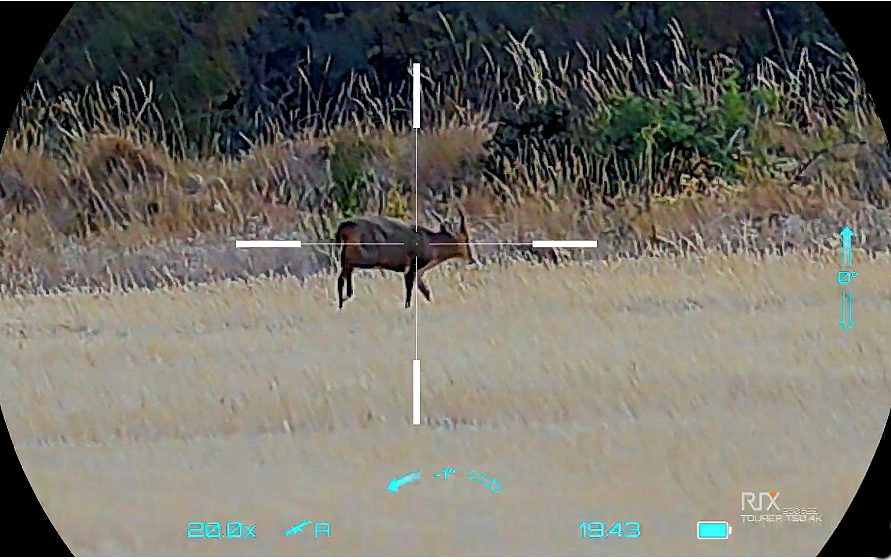
An evening muntjac at 170 yards in Day-Vivid mode at 20x
There were two small gripes. The eyebox felt tight, even with the eye cup on, and despite 48mm of eye relief I had to get my head closer than with a normal scope. With more time I might have moved it further back on the rail, and it never hurt the picture or my shooting enough to put me off.
The other came when ranging. Now and again the screen warned that the LRF was blocked and to check my hand position, at which point I would find half my hand over the lens. Annoying, but that was my fault rather than the scope’s, and I just had to be more careful where I put my fingers.
Day/night scopes usually lean one way or the other, and the Tourer leans towards night, thanks to the wide F1.2 aperture and big sensor RIX has chosen. Its daytime picture is far from bad, though, especially in Day-Vivid.
It will not rival my glass scope in daylight. From dusk onwards, though, it does exactly what it should and goes where no conventional scope can.
Given the full kit in the box, the specification, the useful features and how well it performs overall, I expect a lot more UK shooters will know the RIX name before long.
£699 RRP, through importer Country Sports Wholesale. That includes two 21700 batteries, an 18650 adaptor, a charger, a pouch, an eye cup, an IR illuminator mount and 30mm rings.
It is built for night. The F1.2 aperture and 4K sensor favour low light, and in Night mode hares, foxes and deer were easy to tell apart. It is perfectly usable by day, best in Day-Vivid, but no match for a glass scope.
On test it was good for shots to 100 yards without an illuminator in anything short of full darkness, and further with one. The rangefinder reads to 1,500m at night and 1,200m by day.
About 6.5 hours in Night mode and 3.5 hours in Day mode on a 21700 cell. The spare was never needed during the test.
Pulsar Digex C50 – another digital day/night riflescope.
HikMicro NEOS NH35L thermal riflescope review – a thermal alternative for the foxer.
Night vision reviews – every night vision test on Gun Mart.