Gun Reviews >
 Find a Dealer >
 Find a Club >
 Competitions >
 videos >
 Reader Survey >
Weihrauch HW35E Review: Testing a True Airgun Classic
- Last updated: 13/08/2025




Several landmark classic models exist in our world of airguns, and as any genuine enthusiast will know, one of those gems is the Weihrauch HW35. Introduced in 1951, this German break-barrel caused quite a stir, and with a list of top features and a level of engineering that eclipsed all but a few rivals at the time, it’s a rifle that has well and truly stood the test of time.
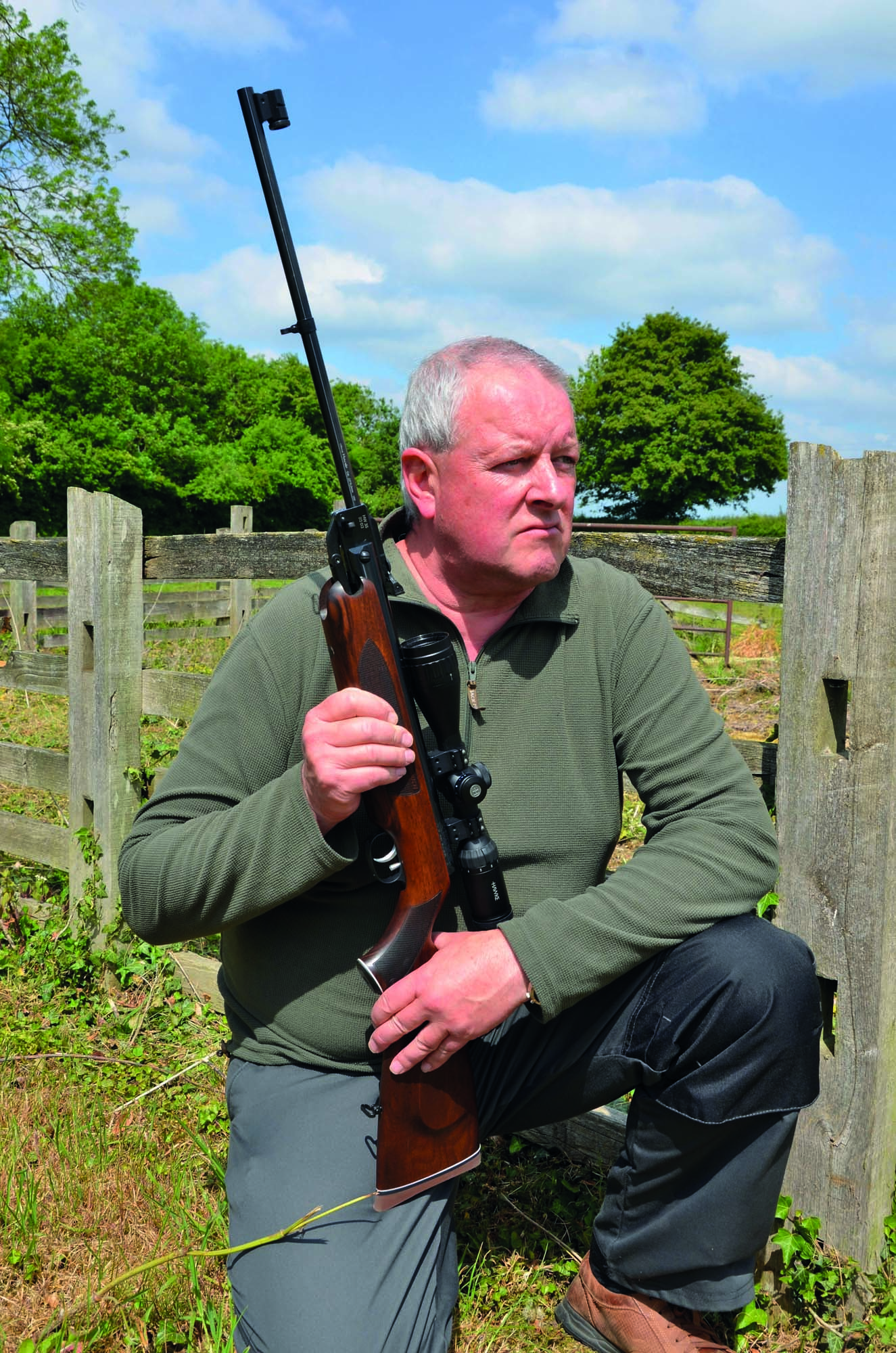
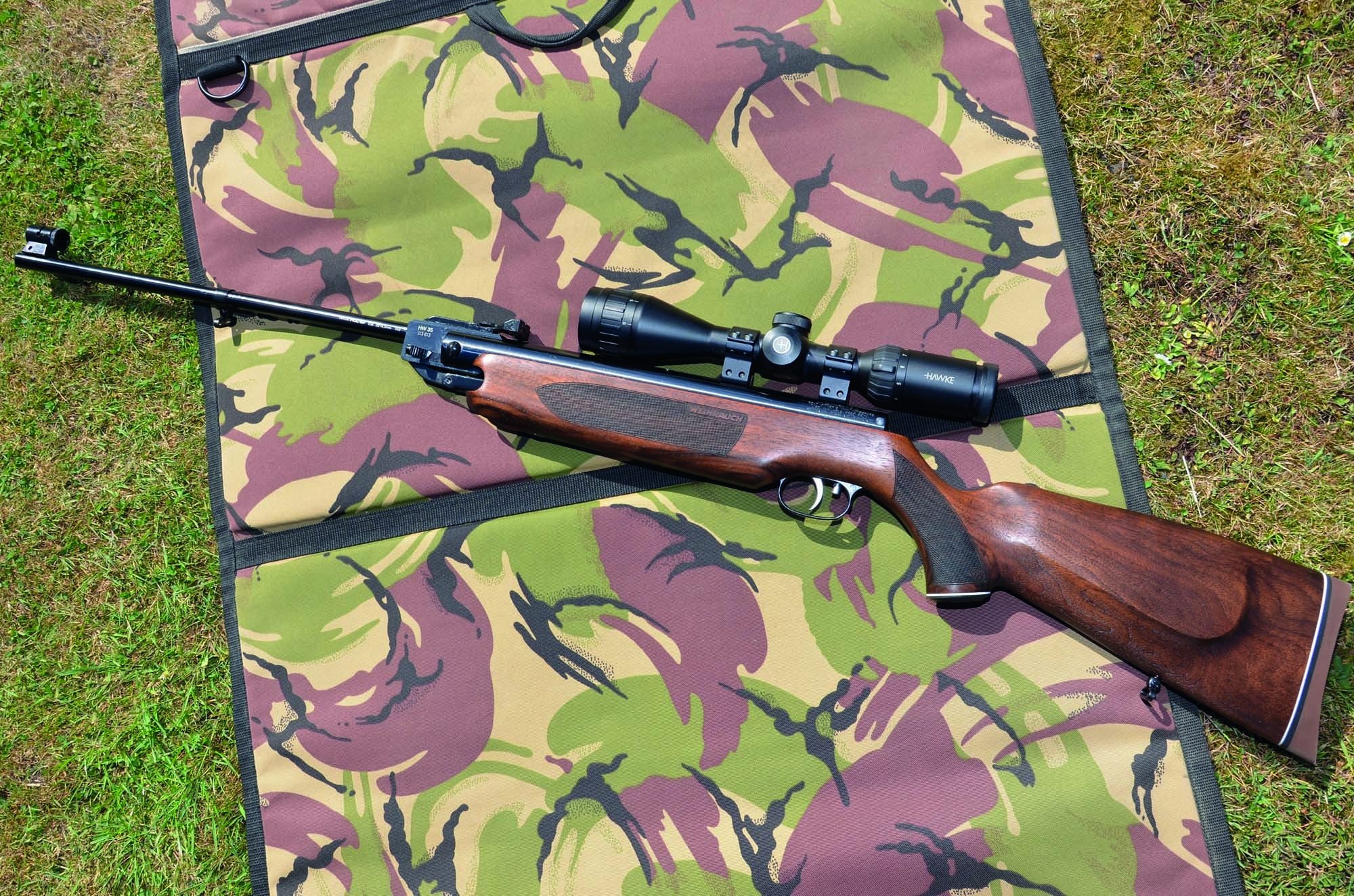
Indeed, such is the ‘35’s standing in the hall of fame that Weihrauch has kept it in the lineup to the present day, albeit with modern tweaks and revisions incorporated along the way. On test here is the Weihrauch HW35E, where ‘E’ denotes ‘Export’, and this version is only available via special order. Where the original ‘35 would only generate around 10.5ft/lbs, the modern version can now produce energy levels nearer the limit. As for the HW35E on test here, it’s differentiated from the standard K specification by the inclusion of an upgraded walnut stock, sling swivel mountings, and a longer barrel. The barrel is 18.5”, and whilst this sounds quite long these days, bear in mind that the special HW35E of old sported a monster 22” tube, meaning this latest incarnation sounds positively compact.
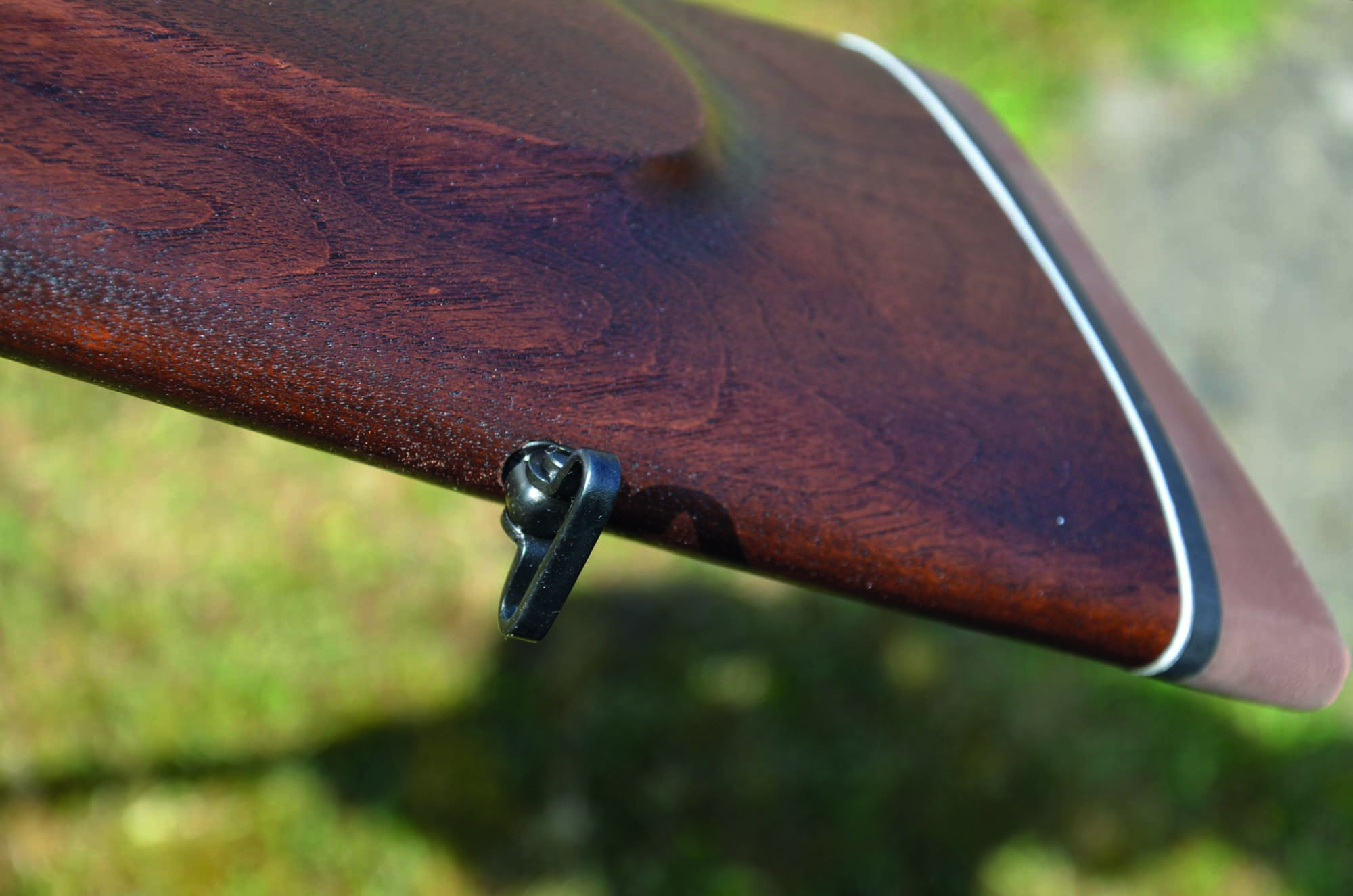
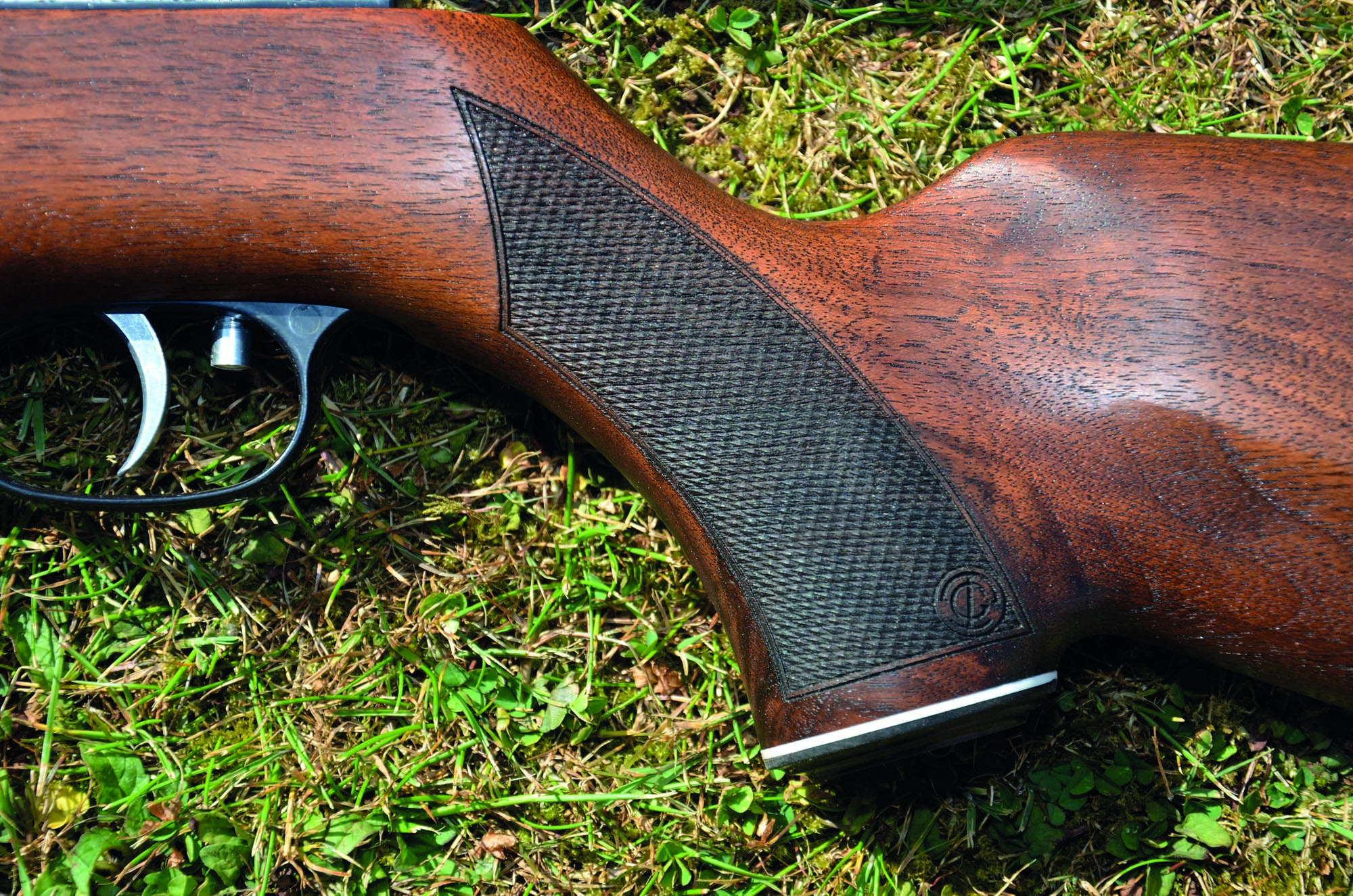
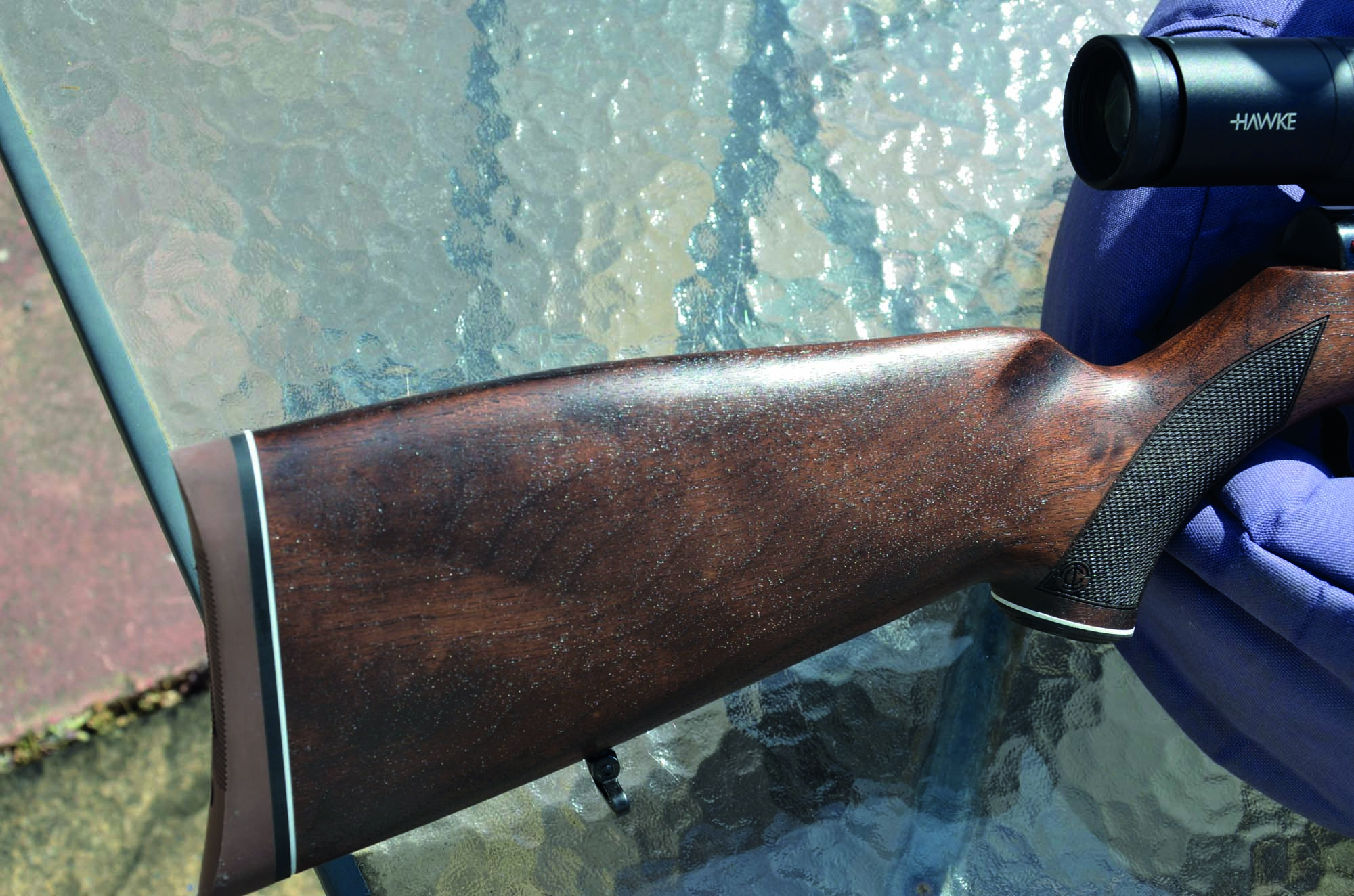
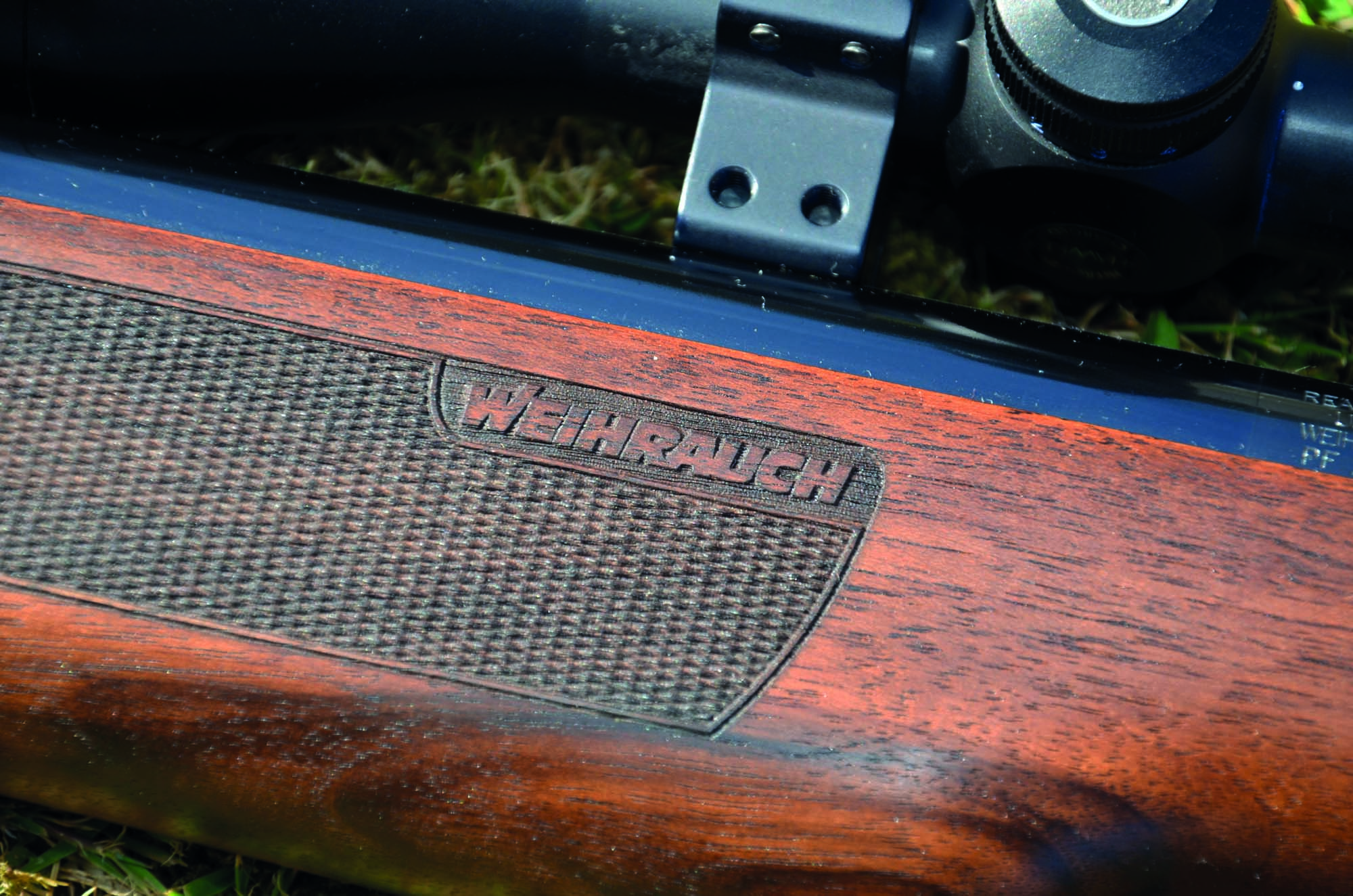
First impressions are of a high-grade piece of machinery, and with many of Weihrauch’s standard features built in, and their usual standard of finish, this is one good-looking airgun. The matte oil finish of the woodwork enhances the grain pattern beautifully, and with revised laser-cut chequering incorporated around the pistol grip and fore-end, handling and grip are enhanced considerably. A white-line spacer and cap set off the grip, and the Weihrauch logo forms part of the chequering up front, so plenty of attention to detail to revel in, for those of us who appreciate such things.
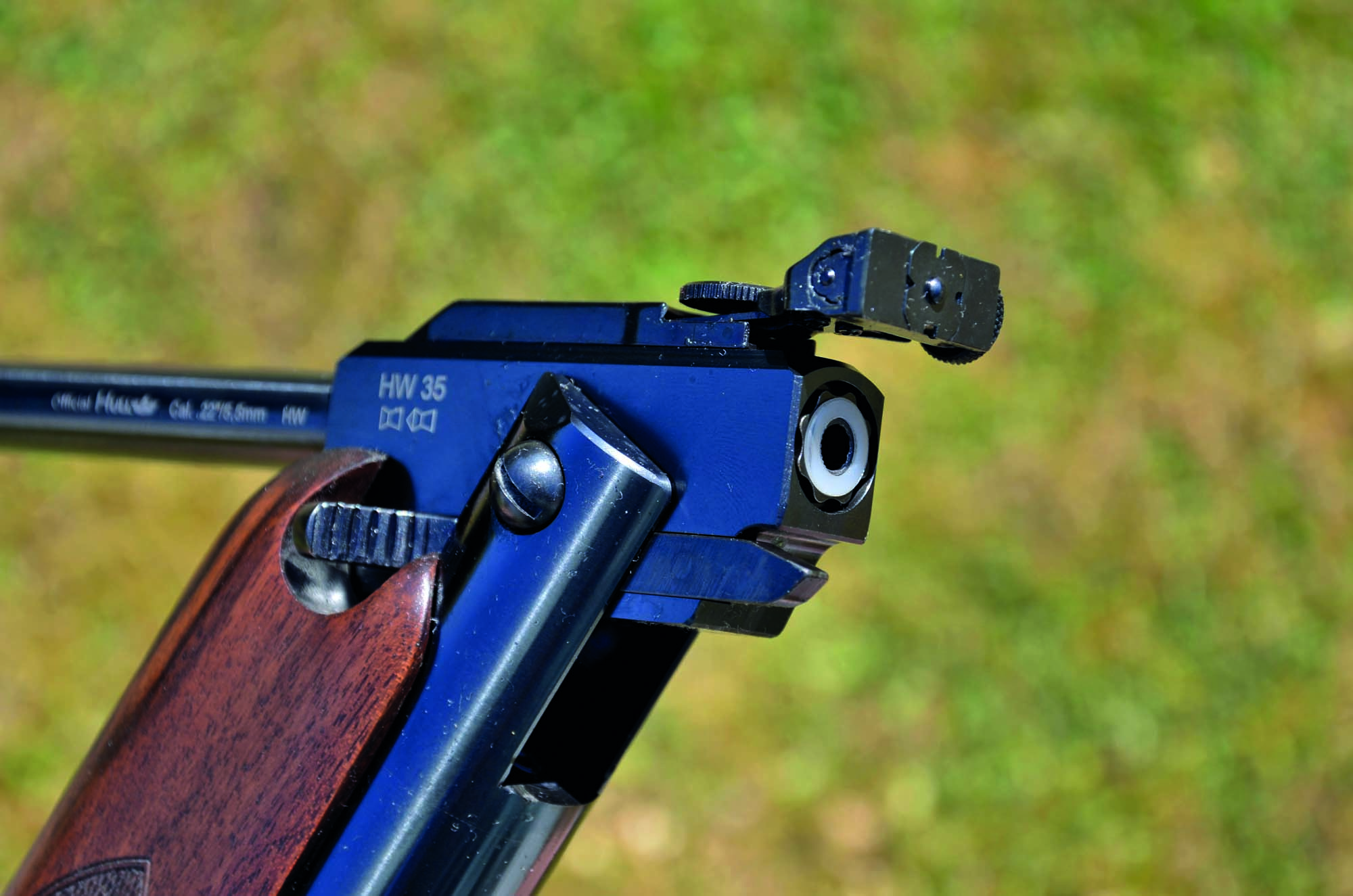
Chemical bluing is part of Weihrauch’s DNA, and the metal finish overall here is superb. Add in all-metal, fully adjustable open sights and a subtle red rubber butt pad, and the spec sheet is already off to a flyer.
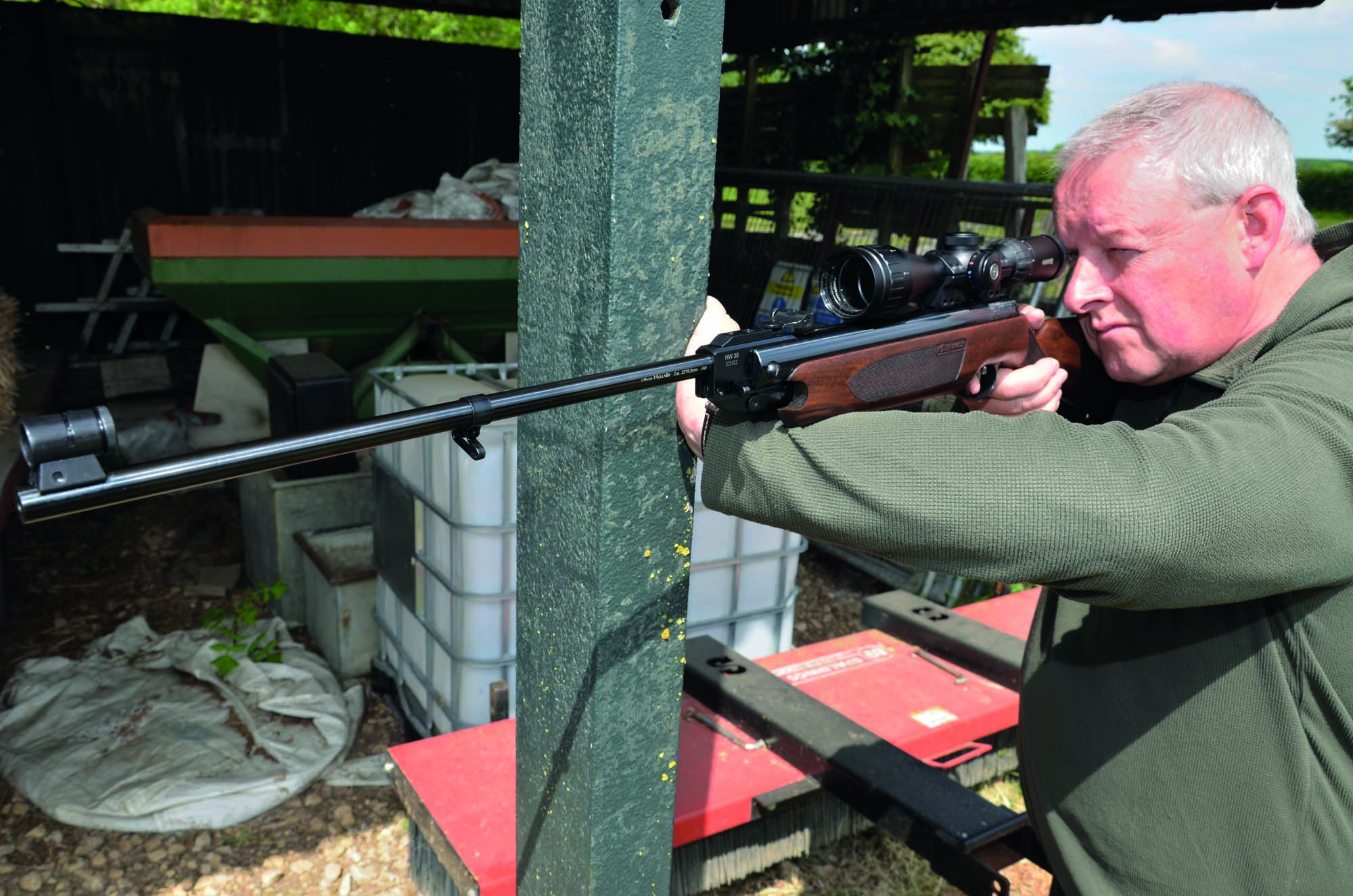
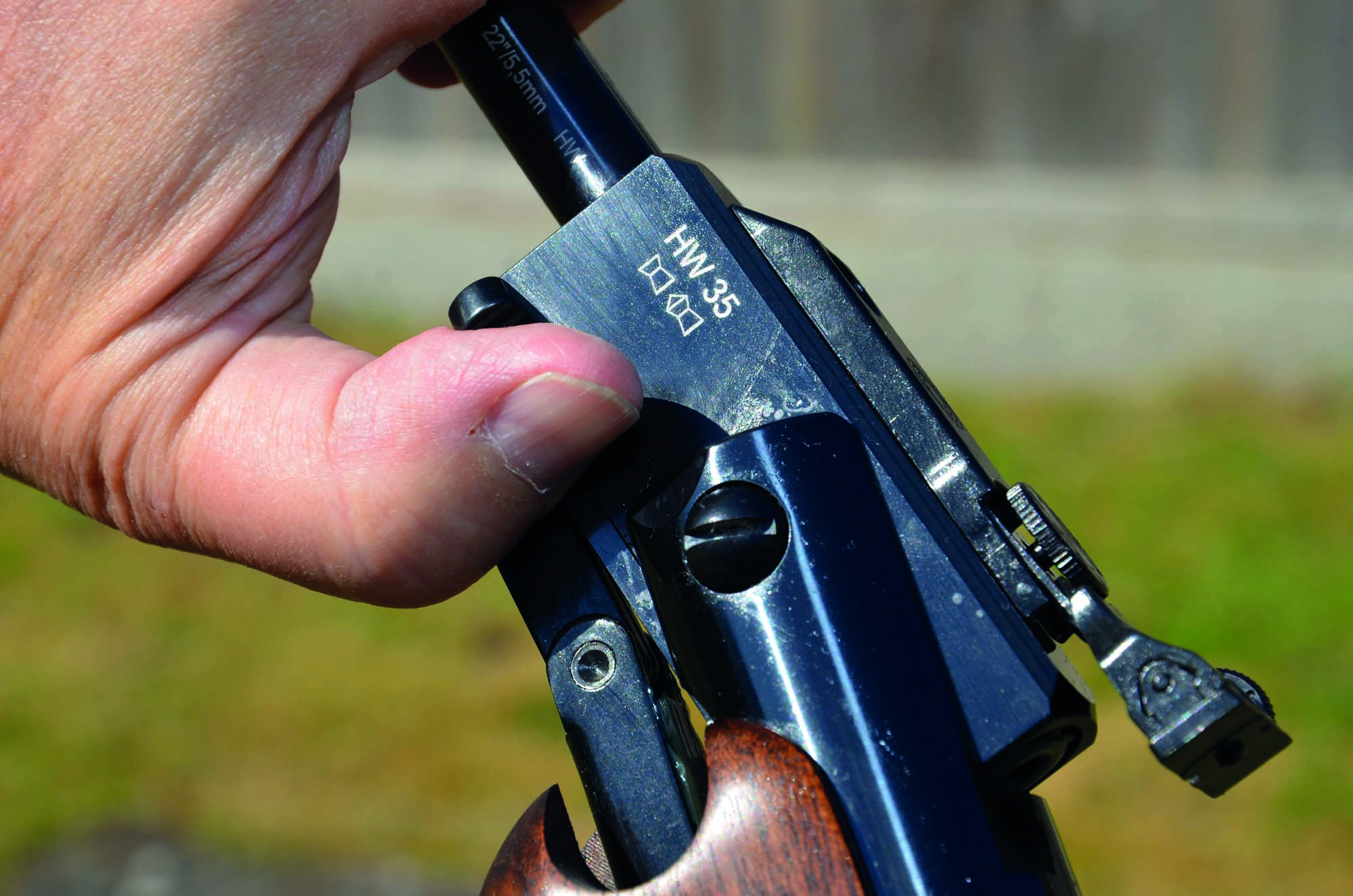
What makes the HW35 instantly recognisable is, of course, the small cut-out on the left side of the fore-end. This is to accommodate the ‘wedge lock’ barrel lock catch as the barrel moves through its arc on cocking. The barrel lock is a key feature and would have greatly added to this model’s appeal at the time of its introduction, certainly when compared to some of the weaker designs available from rival brands. It’s all about the breech area, so often the Achilles’ heel of a break-barrel, so these things matter. In today’s market, Weihrauch’s top-class engineering and fine tolerances, not to mention their trademark beefy cross-bolt around the breech jaws, mean wear around the breech isn’t something to lose sleep over. But for a belt-and-braces approach, the slickness and sheer precision of the ‘35’s lock design is very hard to fault.
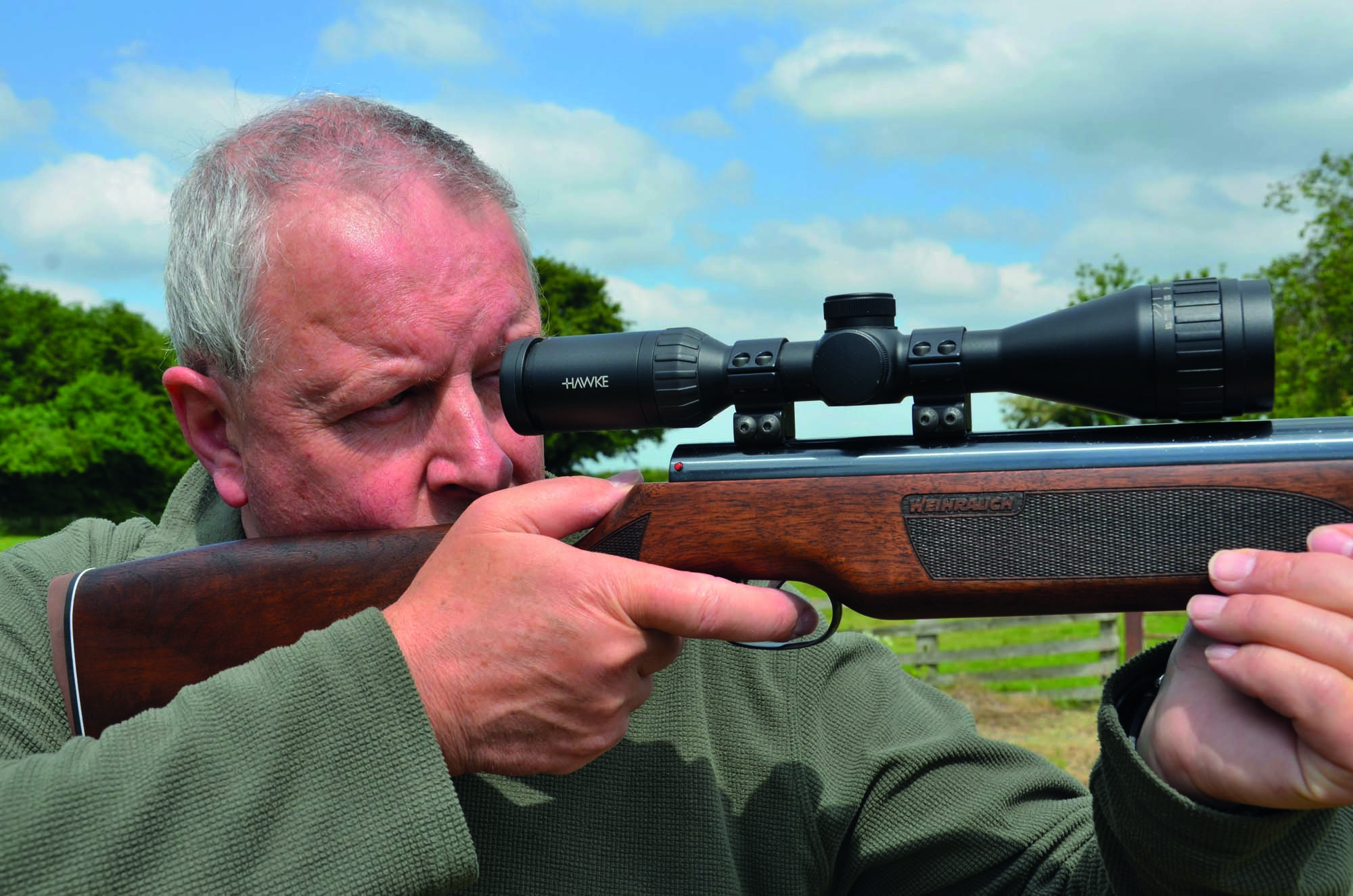
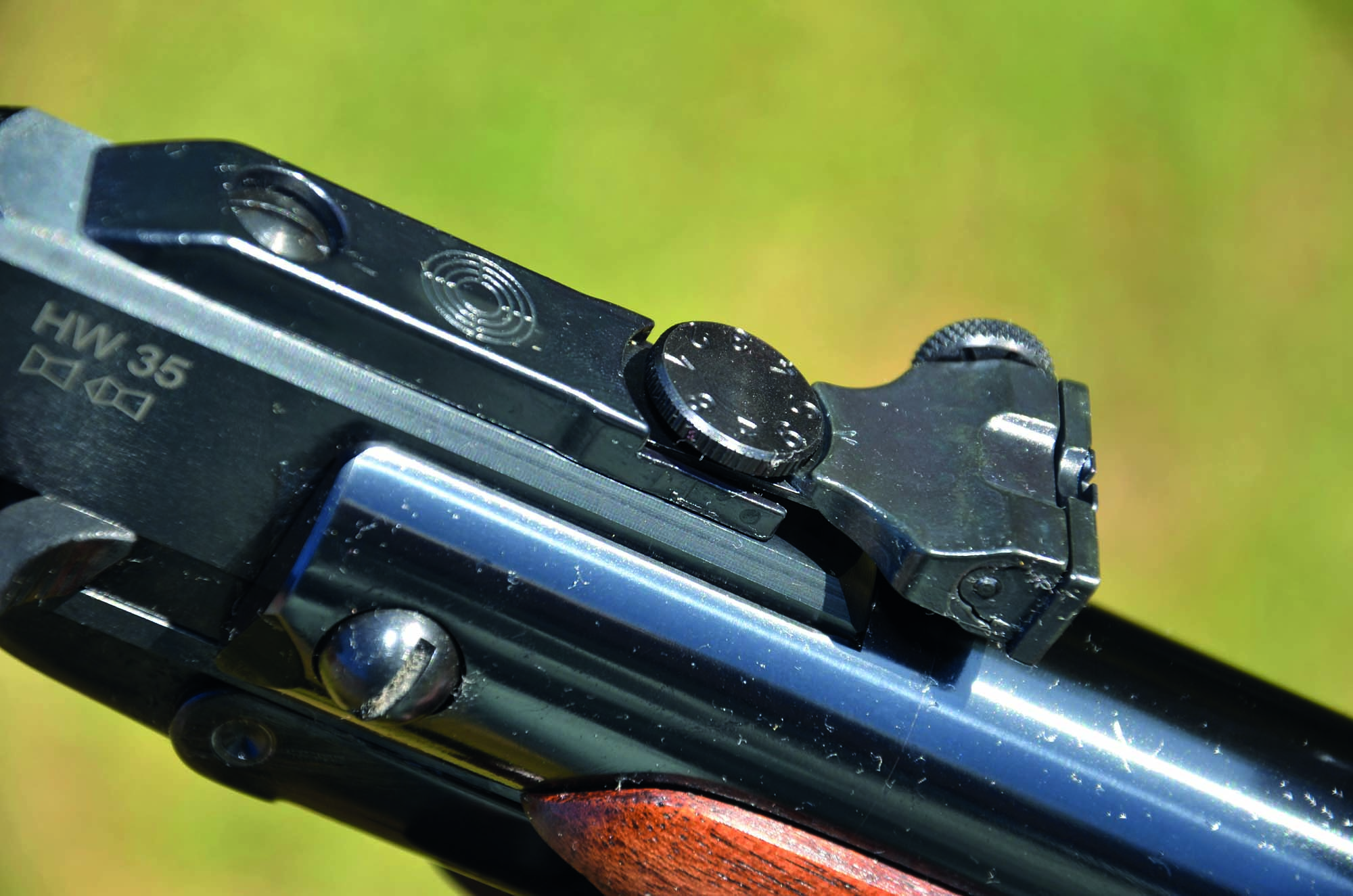
Fitting a scope to a spring-piston-powered airgun requires thought and preventative action if the dreaded ‘scope creep’ isn’t to spoil the fun, and to this end, Weihrauch’s standard approach sees an extensive dovetail rail complete with several pre-drilled arrestor holes in the receiver. Use mounts with a protruding arrestor stud, and locate it into the holes, or go the whole hog with a one-piece mount, which is my preferred choice with a springer. Either way, the problem is remedied at the source.
Triggers are a key contributor to good shooting, and this is an aspect of airgun design that Weihrauch latched onto from their early days of production. Even Weihrauch’s latest dedicated HW30 Junior comes with their Rekord trigger unit, so it’s obvious they mean business. Basically, no half-measures just because it’s a kid’s gun.
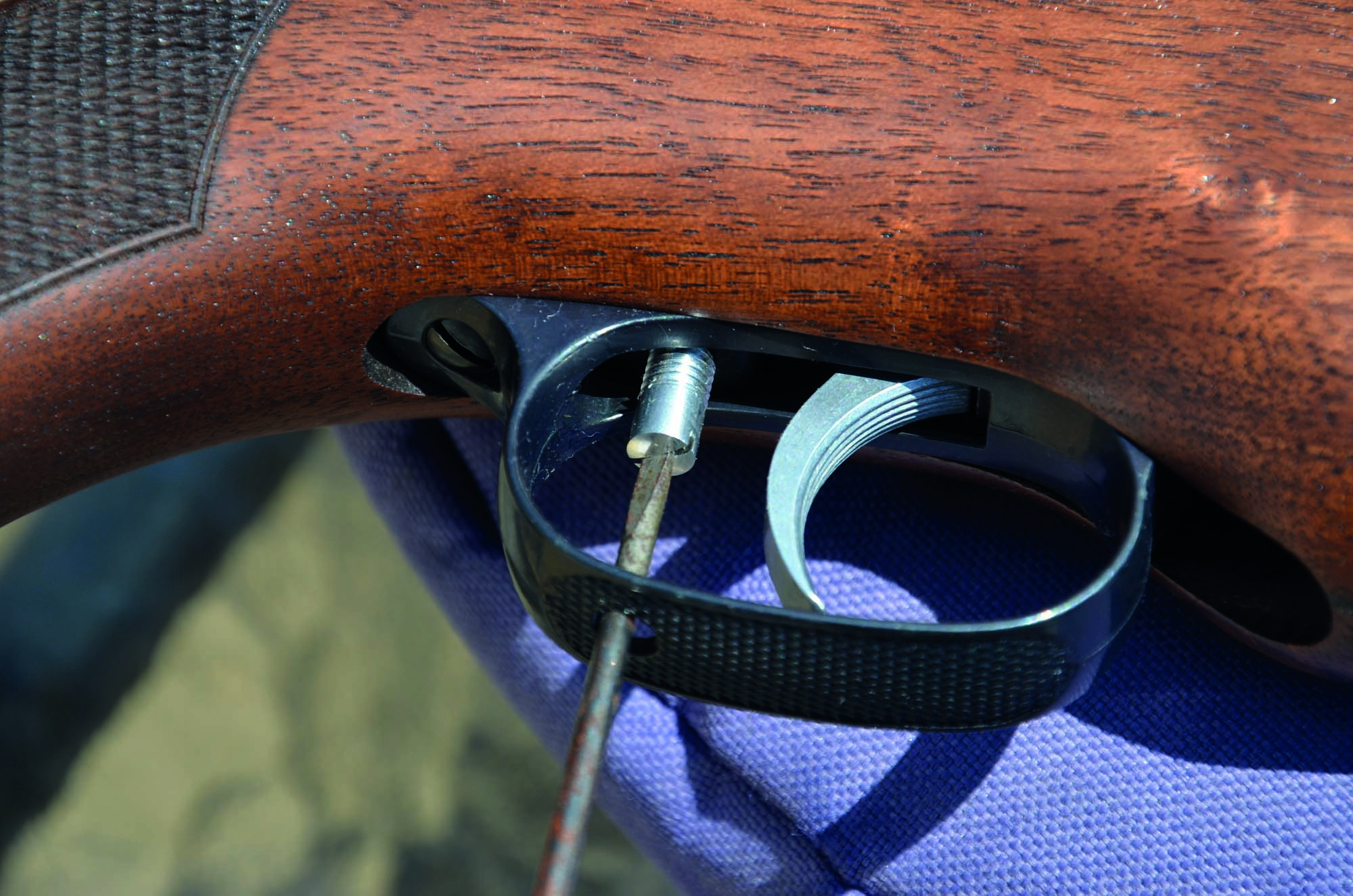
Returning to the HW35E, we once again find the legendary two-stage Rekord trigger by which many others are judged, and it’s easy to see why. The classic broad-ridged, cast aluminium blade provides the ideal release point, while the large silver adjuster behind the blade allows initial tweaking to lighten the final pressure. For those wanting to go further, the multi-component, 18-piece trigger cassette offers ample potential for finer adjustments, provided you have the necessary experience. Put simply, the Rekord remains a benchmark trigger and continues to take pride of place on the ‘35E.
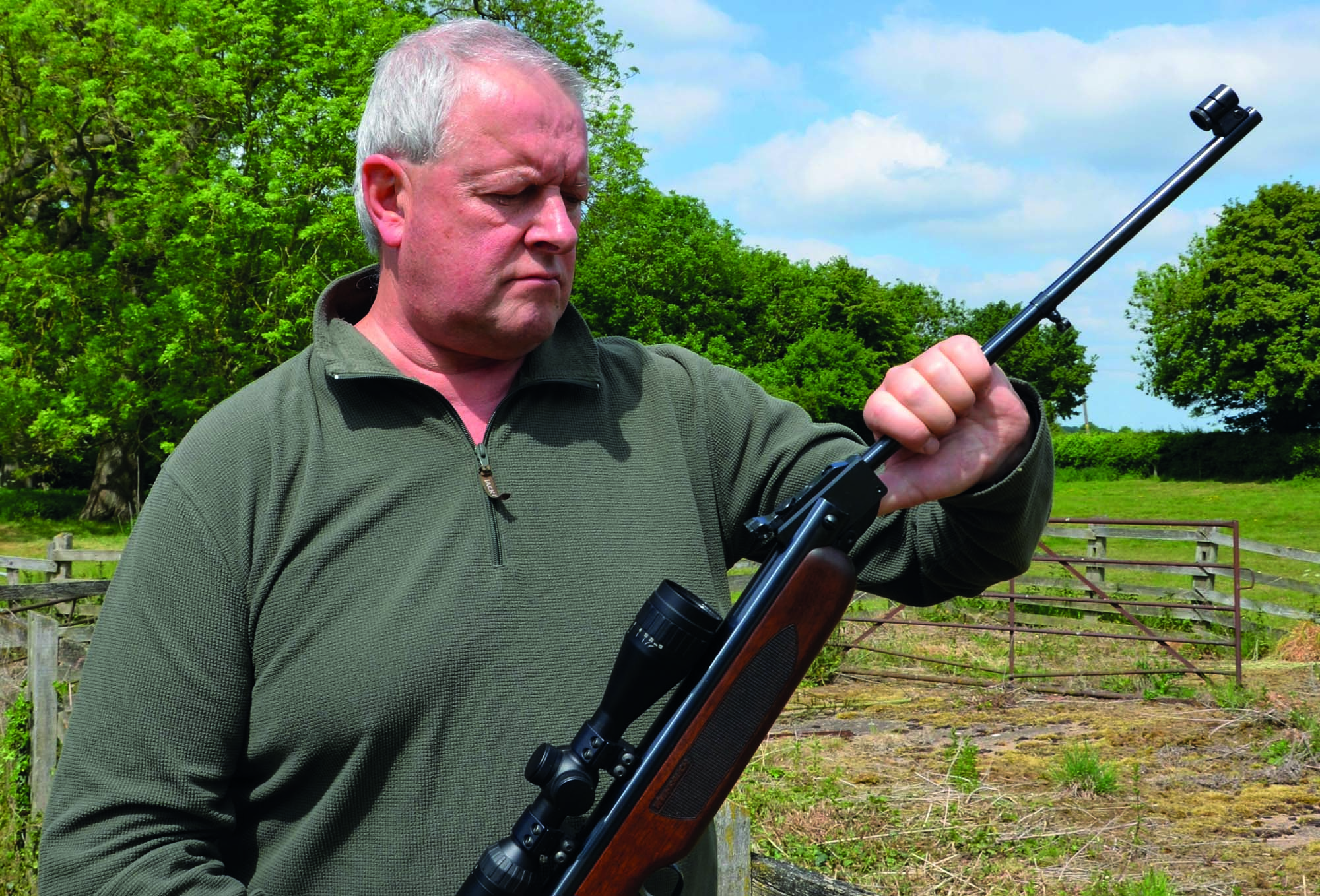
And so to the range. To cock the action, first pull the spring-loaded wedge-lock lever forward with the thumb of the left hand, and this will release the breech. Now, firmly gripping the barrel just behind the foresight, pull down fully in an arc to complete the stroke. You’ll hear the classic Weihrauch crunch as the auto safety button pops out on the bottom left side of the cylinder, the trigger sets, and the piston locks in position. At this point, the HW35 of old was synonymous with what became affectionately known as the ‘Weihrauch click’, as the cocking linkage went about its business, a detail which no doubt infuriated hunters worldwide. Well, no more. The problem was taken seriously by Weihrauch, and after a few design tweaks, the articulated cocking linkage is now somewhat more refined, with a remarkably small cut-out on the underside of the stock being the result.
With the breech exposed, take a moment to admire the precision engineering. Then, push a pellet into place, ensuring it sits flush, before pulling the barrel back to close and securely lock the breech.

So what of effort and din? Well, the cocking stroke itself is fairly easy, courtesy of the added leverage from the beefy barrel, and it’s super-smooth, too. As for the firing cycle, this model, straight from the factory, was very acceptable. Still quite a loud mechanical report, with plenty of recoil, but little spring noise to speak of. And on that note, all I would say is it’s no coincidence that Weihrauch is still one of the main brands in which airgun tuners specialise when rebuilding or tuning ‘specials’. This speaks volumes for their inherent build quality and robustness. In short, this HW35E would hugely benefit from some subtle lubrication further down the line.
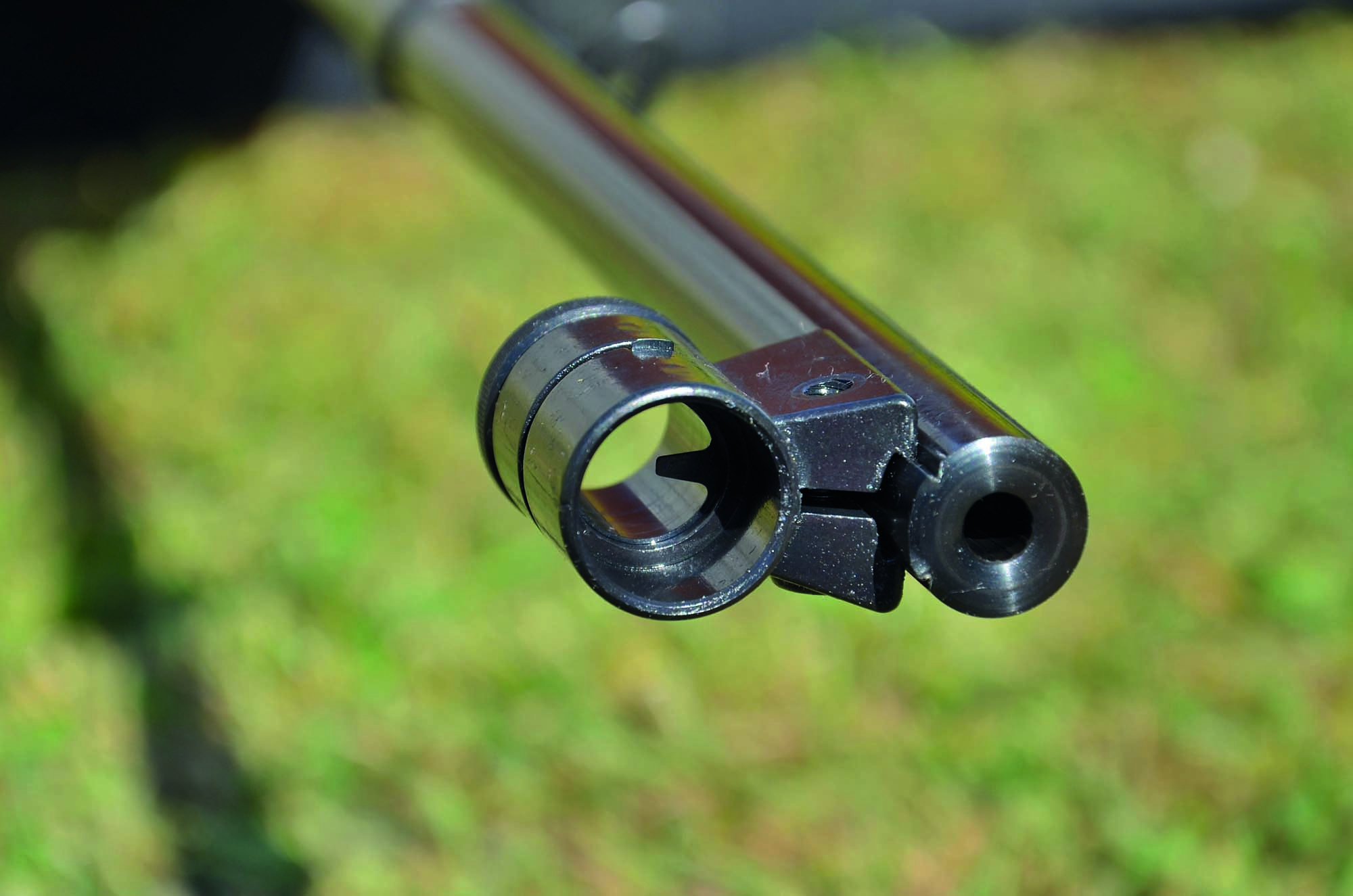
Adjusting the open sights is straightforward enough, with clearly marked finger wheels for both windage and elevation. As for the foresight, it’s designed to take interchangeable elements, allowing for different-sized post elements to be fitted to suit the individual.
In the aim, the HW35E feels every inch the pedigree sporter, exuding class and precision in equal measure. The fore-end is a tad short for large-framed shooters like myself, although this didn’t prove a major problem in use. My main negative concern is the rather bland, featureless and fairly low cheekpiece on the stock. I know this is a retro model and a nod to Weihrauch’s illustrious past, but given that most shooters will be fitting glassware of some description, surely a beefed-up rear section is now long overdue. OK, I feel bad even saying it, and it’s no great shakes to pad out this area if necessary for greater support. So, moving swiftly on.
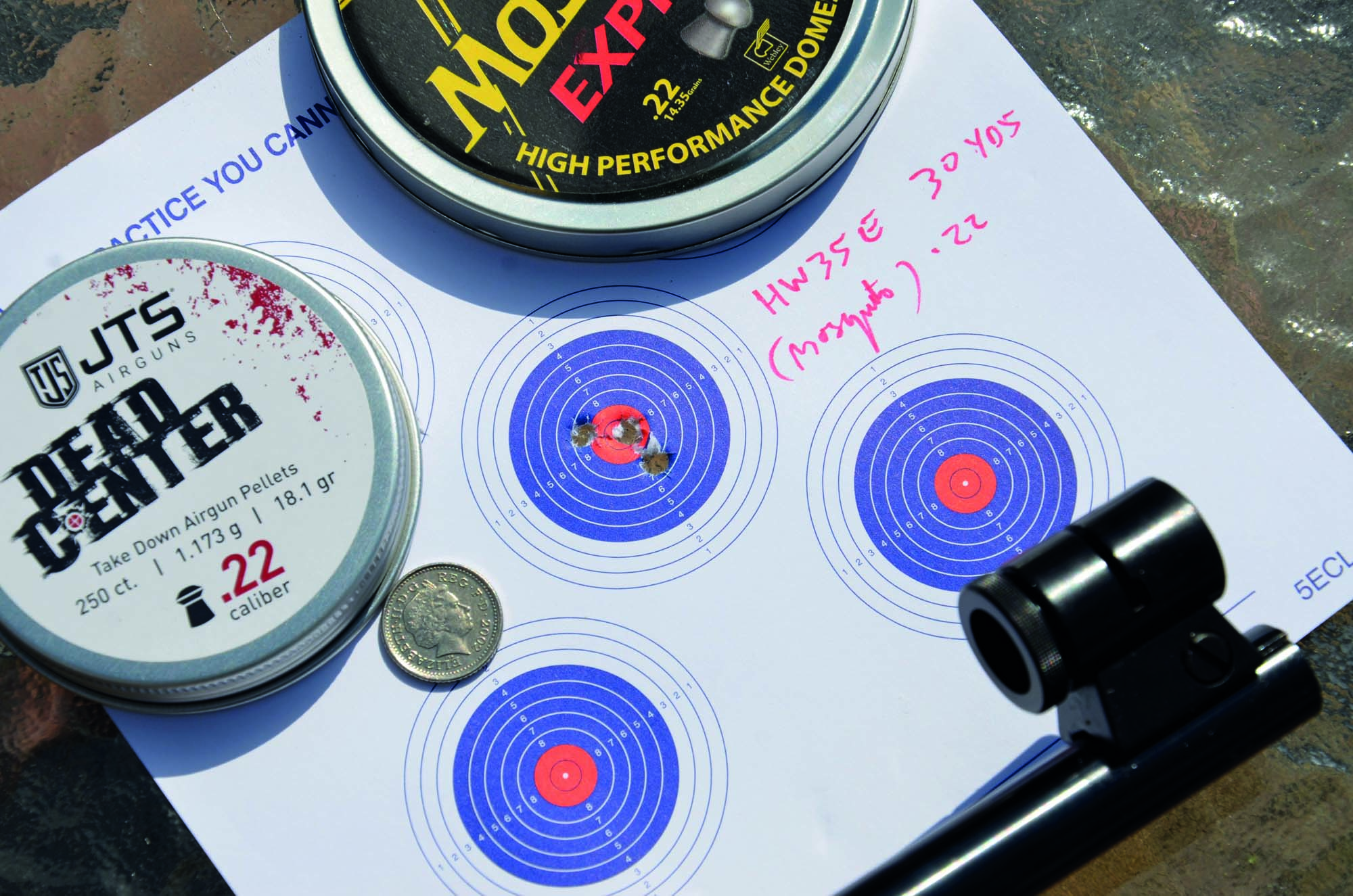
When Weihrauch is involved, I often get carried away talking about potential tuning and so on, which can be misleading. Putting that aside for a moment, we are still looking at an extremely capable rifle, straight out of the box. At the time of the test, I just happened to have some heavier 18.1gr JTS Dead ‘Center’ pellets to hand, and I couldn’t resist running them through the 35E. Webley Mosquitos proved the perfect diet, but the comparison with heavier pellets served to demonstrate how performance can differ quite dramatically, depending upon ammunition. The heavy pellets proved a drag on the action, generating just 9.5ft/lbs, while switching to the Mosquitos returned a healthy 11.2ft/lbs, which is some difference. Consistency was commendable with both over a 10-shot string, but physics dictates that springers normally favour lighter ammo regardless, and that’s how it would have been set up at the factory.
As for accuracy, at 30 yards from a sitting, FT-style over-the-arm position, respectable 5p-sized groups were the norm, with a variety of ammo.
So, the Weihrauch HW35E is a classy, traditional break-barrel with real pedigree. Yes, the stock design is looking a little dated, but for those who appreciate just what this model represents, it seems almost churlish and disrespectful to point that out! Either way, a classic airgun from one of the most respected names in the business.