 Gun Reviews >
 Find a Dealer >
 Find a Club >
 Competitions >
 videos >
 Reader Survey >
Pest Control Diary: The Art of Fox Control
- By Pete Moore
- Last updated: 07/12/2016



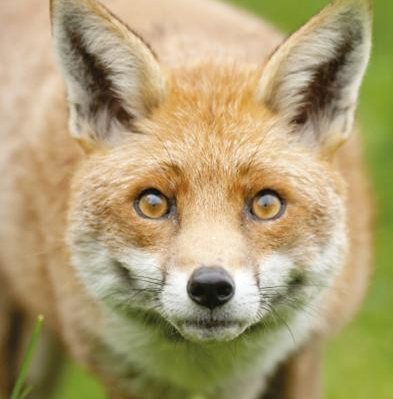
Fox control is an art and as I have said before they are one of the smartest and quick learning animals you’re ever likely to come across. Anybody can get permission (if they try) on a patch of ground to help perfect the knowledge and skills needed to help keep numbers under control. From July onwards is the best time to go it alone if you want a real confidence booster that is, even if you have managed to team up with someone who has a few years experience. You still can’t beat that challenge of you and the fox, which is what brings so many to the sport.
If you’re wondering why I say July onwards it’s because the cubs are self sufficient but still lack the experience of what may pose a threat and what may not, so increasing your chances of success. This does not mean it’s like shooting fish in a barrel, as with every passing day their knowledge also builds. But at this age you may get a second chance if you happen to mess things up. I have written so much about foxing, so now is the time to pull out all the old Shooting Sports magazines and pick up as much as you can from the articles.
One of the things I get asked most is what calibre is the right one for foxing? Most people would say it’s personal preference but that would be wrong! I say it’s the land that determines your choice and how much shooting you intend to do. For instance if all you have are some small holdings or rough scrub ground were your range is limited then a 22 Hornet would probably be all you need. In fact your local fire arms officer would guide you in that direction. However if you have more ground and distance then a 222 or 223 Rem is a good choice, both offering an effective range of 200 to 300 yards in the right hands!
However, as most fox control is at night the maximum range you would be taking a fox even with a top scope is 150 yards then both calibres are perfect. But if your thinking of combining foxing with deer stalking then move up to a 6mm, with the 243 Winchester being by far the most popular and for that matter useful! A 243 firing a 70-grain bullet is a perfect foxing round; flat shooting low recoil if any and you can switch up to a heavier bullet for deer.
One calibre I don’t think I will ever own is a 22-250 Rem, my reasons are simple and are based around maximum effective range. The 22-250 is powerful but what’s the point of having something that’s flat shooting up to 300 yards or more. The noise level is now nothing to worry about there’s plenty of sound moderators out there. Economy too, as I reload and can get near one half times as many of the smaller calibres out of a tub of powder than I can a 22-250. Plus it’s only small deer legal too!
Once you decide which calibre is right for you, your next decision is what rifle, or how much it weighs! If you intend to shoot mainly from a vehicle you could opt for a heavier, varmint-type barrel, which will be more consistent as it does not heat up so quickly. However, a sporter-weight barrel will get hotter quicker, but in truth I doubt if you will be shooting lots of ammo. The advantage here is the rifle will be lighter so easy to carry if you are doing the job on foot; an important consideration as you will also be carrying a lamp and probably a set of sticks etc.
But how many shots are you going to take at a fox or foxes in quick succession? I can go out some nights and not fire one round and as 95% of my foxing is on foot the last thing I want is extra weight over my shoulder.
I shoot, I don’t just write about it. I’ve had rifles, pistols and even black powder guns and am long past the stage where I would see or read about a calibre and go out and buy a gun just to be able to try it out!
The rifles and equipment I have now are good practical and reliable, not show things I only take out in dry weather! It does not worry me if I only pay £200 for a second hand rifle as long as it shoots straight. The most expensive bit of kit I own is a Maxi Kite NV scope that I bought off someone for £2,200. He had it fitted to a Rapid 7 air rifle; seems a bit over kill to me!
If your applying for your firearms certificate and wondering which calibre to apply for or what would suit your needs best, I hope this and previous articles help you to decide pointing you in the right direction. But whatever you decide, a call to your local fire arms licensing officer will go a long way in starting a good relationship. Tell them your intensions and ask their opinion even if you have made up your mind on what calibre you’ve set your heart on.
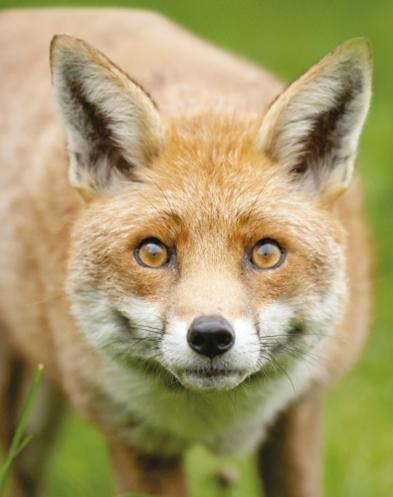
click on image to enlarge
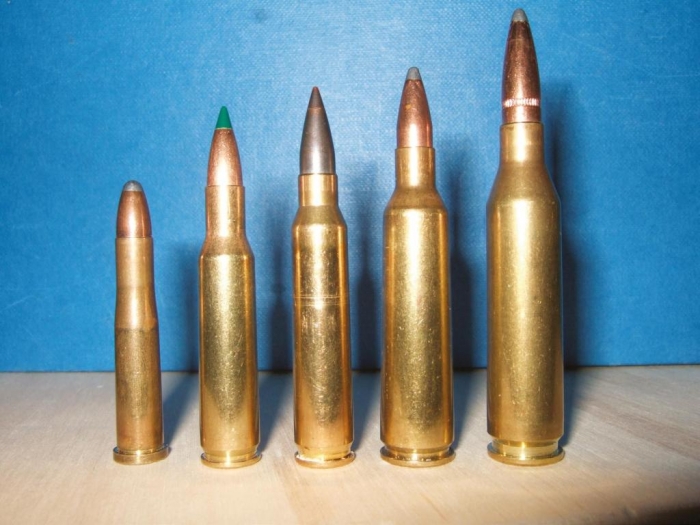
click on image to enlarge
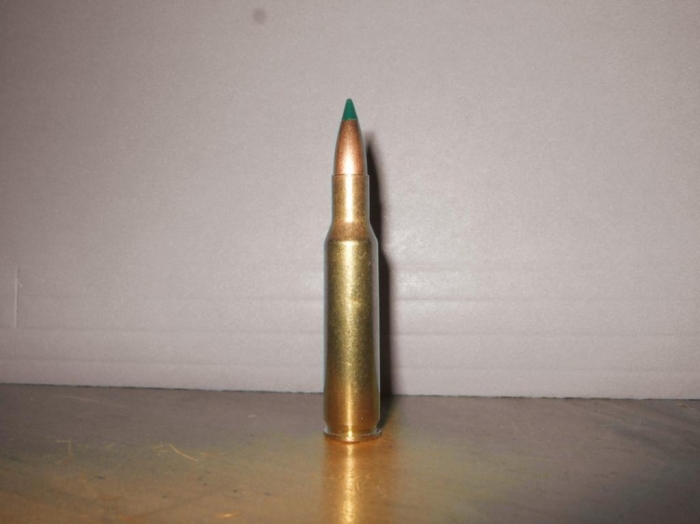
click on image to enlarge

click on image to enlarge


