 Gun Reviews >
 Find a Dealer >
 Find a Club >
 Competitions >
 videos >
 Reader Survey >
Best shooting jackets: tweed and technical coats for every discipline
- Last updated: 22/07/2026



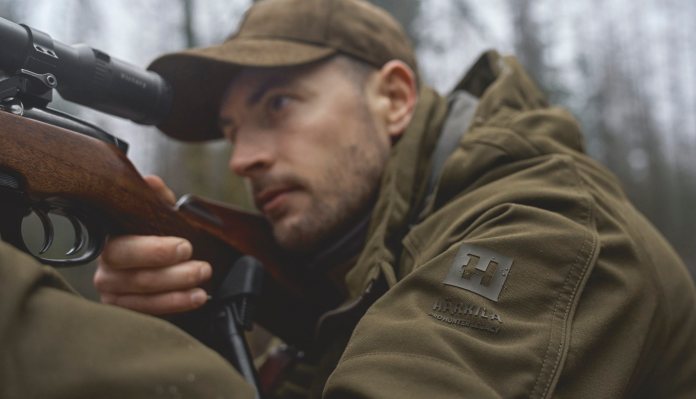
From tweed for the peg to camouflage for the foreshore, here is how to choose a shooting jacket for the way you shoot, and where to find the leading coats.
The old buyer’s question of tweed or technical has largely answered itself. Heritage houses now build waterproof membranes behind their cloth, the technical brands cut their coats in deep countryside greens, and most shooters end up owning a bit of both. So the smart way to spend your money is not to pick a side but to match the coat to the job: concealment on the hill, presence on the peg, hard wear in the rough and sheer waterproofing on the foreshore. Here is what the leading names offer, discipline by discipline.
Buy tweed where looks and tradition matter and you want a coat to keep for years; buy technical where waterproofing, concealment and low weight come first. The gap between them has narrowed. Modern tweed carries a breathable membrane so it stays waterproof and breathable, and wool keeps insulating even when damp, while the technical brands have moved into solid greens and browns that no longer look out of place in the field. If you only buy one coat, choose a hardwearing all-rounder; if you shoot several disciplines, build a layering system and change only the outer shell.
On the open hill the demands are highest, and function wins. “Many stalkers now leave their vehicles at the start of the day with no opportunity to return until the end,” says Spencer Tolley at Härkila. “They need clothing that will keep them dry and comfortable, even after hours lying in wet heather. This is where function takes precedence.” Härkila’s long-running Pro Hunter range is built for durability and dependable waterproofing, and the new Velar trousers add ThornPro thorn resistance. Sitka comes at the hill the same way, with five core camouflage patterns and, as Ashley Shaw puts it, the published research to back “a technical solution rather than just another coat”. It is the priciest, most specialised end of the market, so it suits the shooter who is out often.
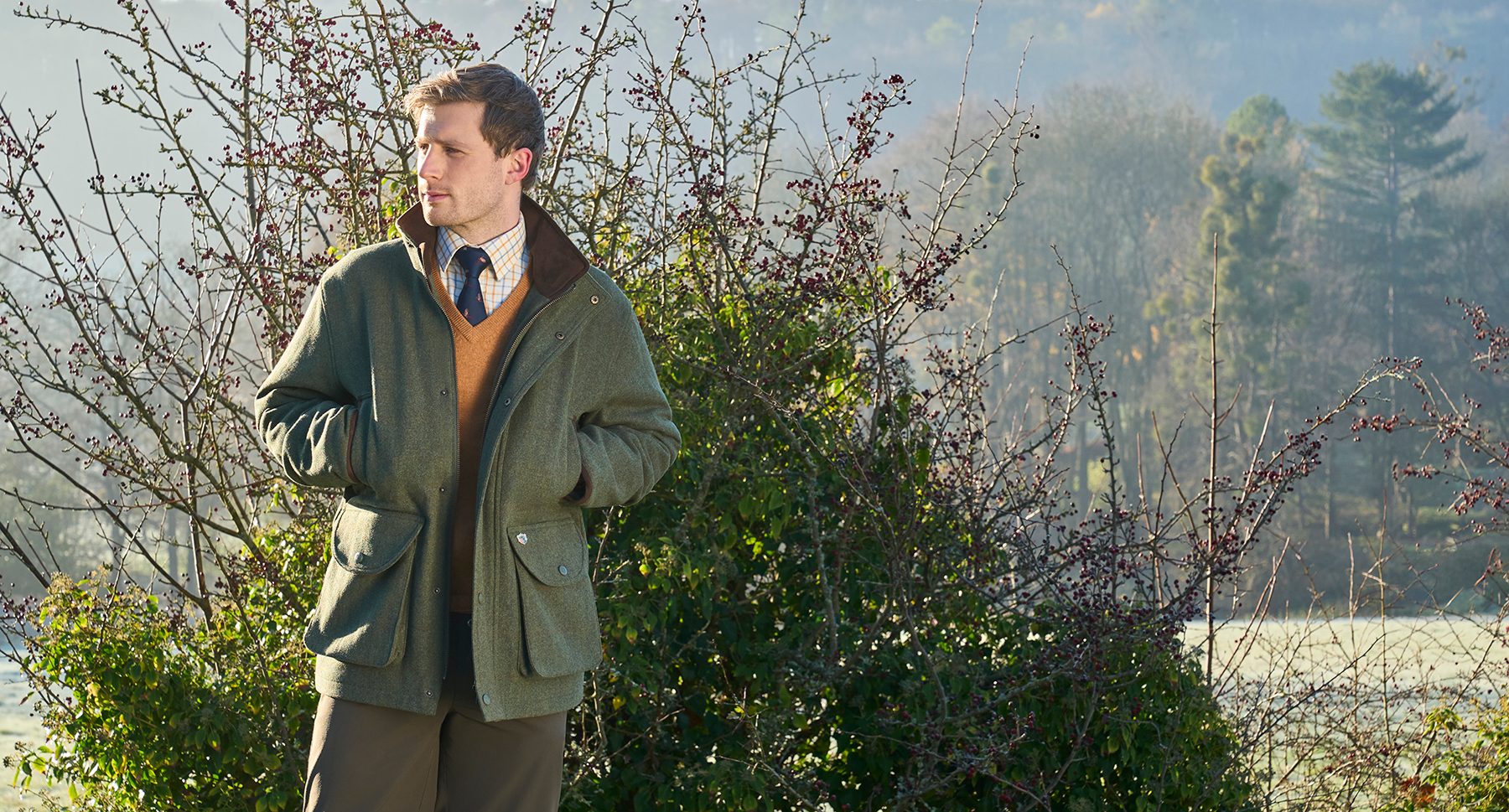
Alan Paine’s Combrook tweed coat employs a waterproof and breathable AP EX membrane.
At the peg, presence counts as much as performance, and tweed still leads. “Nothing looks more at home in the British countryside than a well-cut set of tweeds,” says John Sugden at Campbell’s of Beauly, though he will “always reach for my Musto Gore-Tex coat if the weather demands it”, worn over tweed plus fours. The good news for buyers is that you no longer choose between looking right and staying dry: Alan Paine’s Sarah Lloyd says “customers expect tweed to perform like modern technical outerwear, fully waterproof, breathable and reliably weatherproof”, and the firm’s Combrook coat uses its own AP EX membrane to deliver it. One word of warning: full camouflage looks like costume on a formal driven day, so keep it for the hill and foreshore.
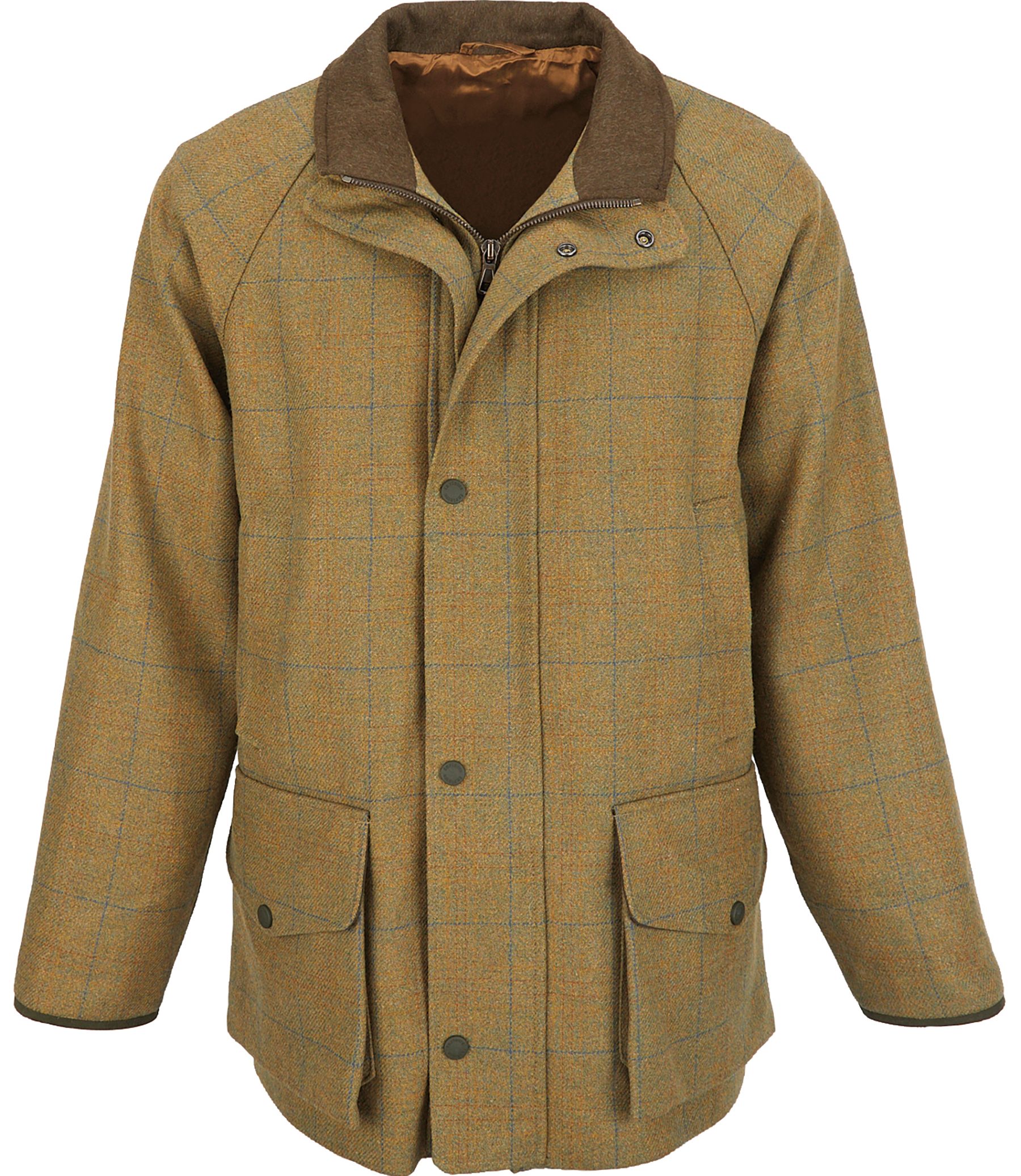 The Farlows Litchfield field shooting coat in Downham tattersall tweed, a long-time favourite material for fieldsports enthusiasts.
|
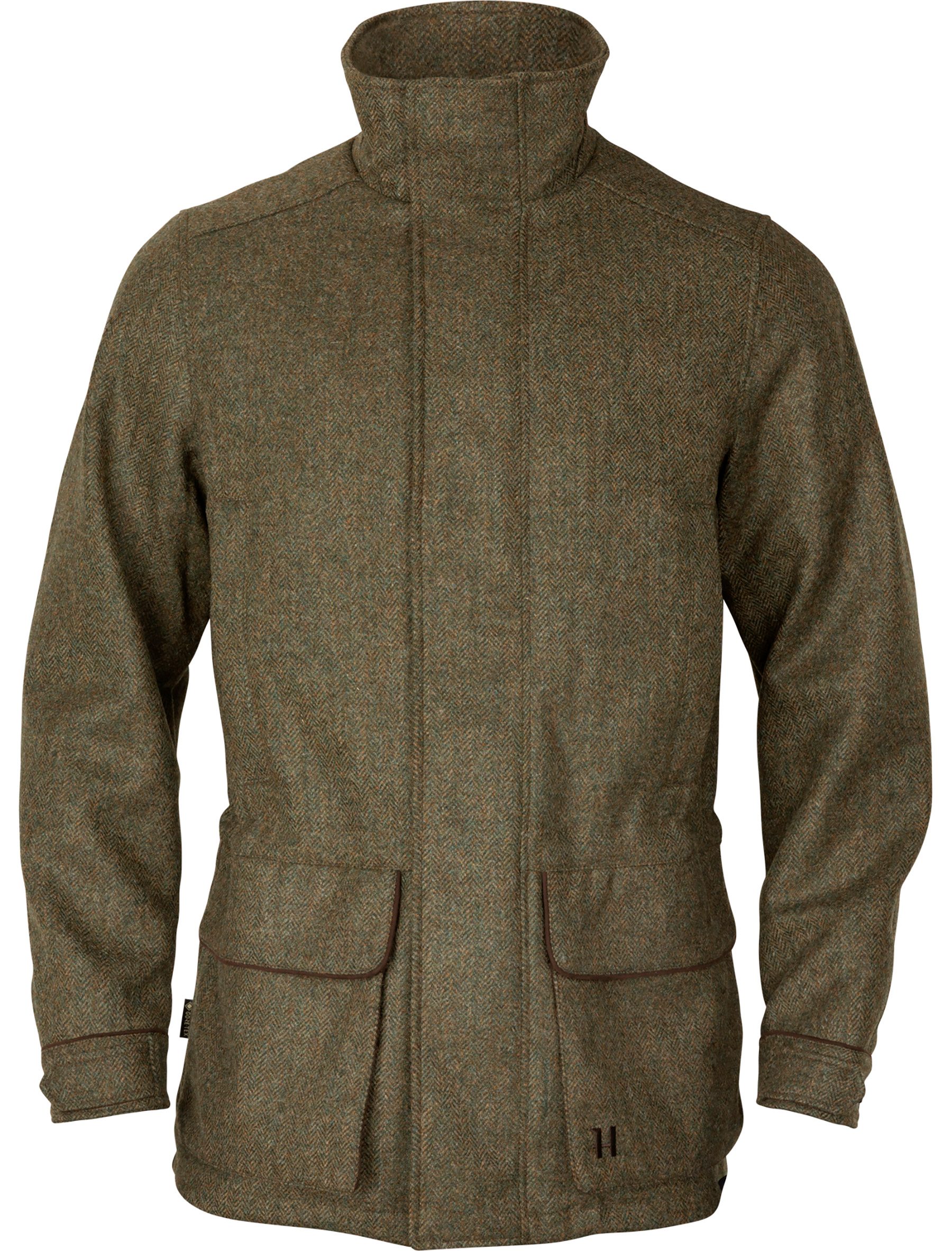 For game shooting, the Härkila Kenmore GTX jacket is the perfect combination of classic herringbone tweed and modern technology.
|
For walked-up and rough days you want a hardwearing coat that does a little of everything. Farlows fits the bill: Jack Gregorie describes its fieldcoats as made in England from 100% wool tweed, woven in Scotland, with a waterproof membrane liner so the coat stays windproof and waterproof while the tweed breathes. “Tweed is nature’s original performance fabric,” he says, and the Litchfield fieldcoats come with matching breeks and vests. From the technical side, Deerhunter’s Pro Gamekeeper jacket has become a favourite for being versatile and hardwearing across a wide range of disciplines. Whichever you choose, buy for movement, not for standing still: a heavy peg coat will cook you and snag on cover by mid-morning.
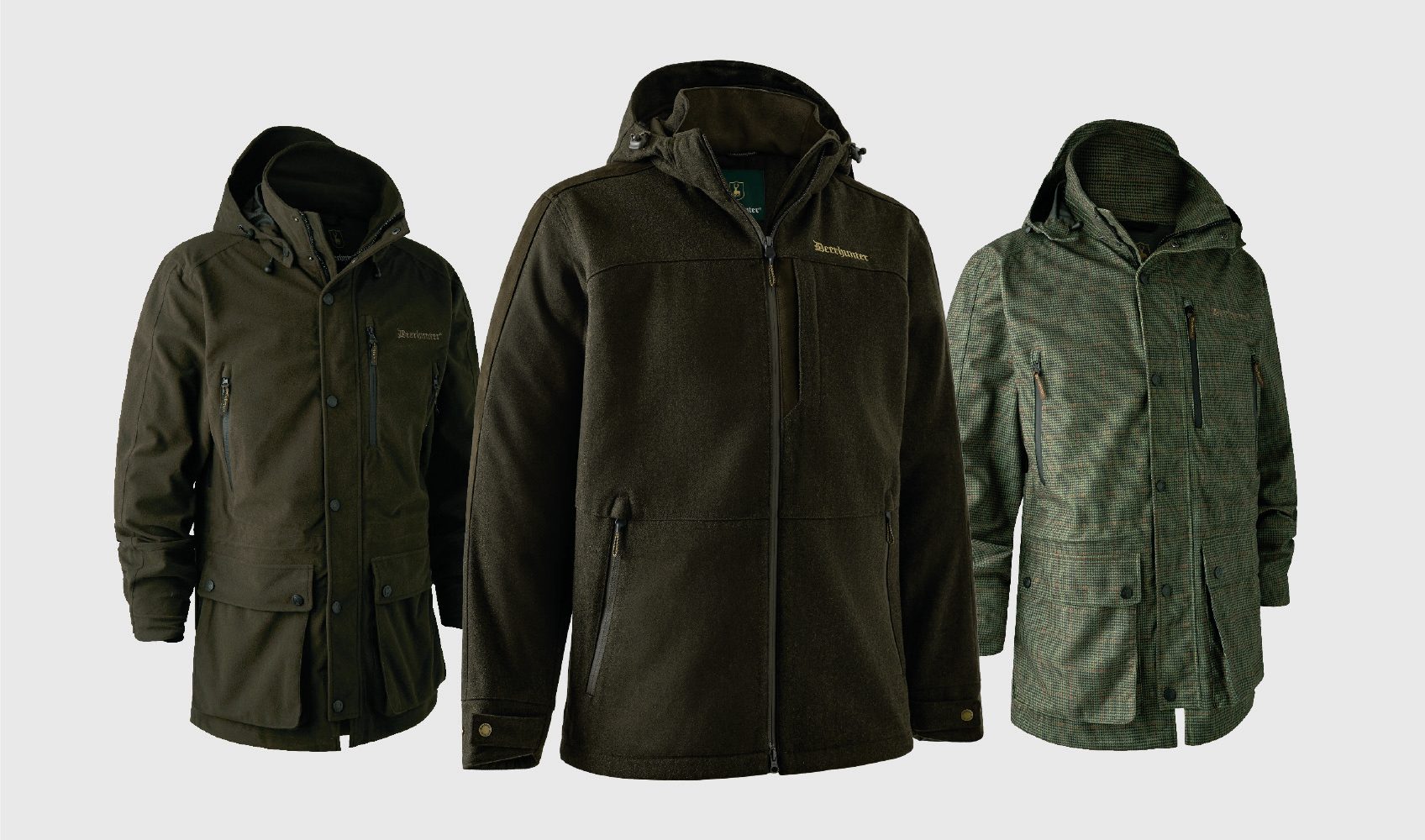
Deerhunter’s Pro Gamekeeper and Eagle jackets pair a classic hunting look with modern fabrics.
Wildfowling and pest control mean long, cold, often filthy waits where concealment and sheer waterproofing beat everything. This is camouflage country, and Sitka is at its strongest here, with the same five patterns and fabric science. Härkila’s Pro Hunter principles of resilient cloth and reliable waterproofing also come into their own below the sea wall. That said, solid dark greens and browns break up as well as any pattern against mud, so a plain technical shell over warm insulation does the job. Buy for the wait, not the walk: over-insulate well beyond a walking day and put genuine waterproofing first.
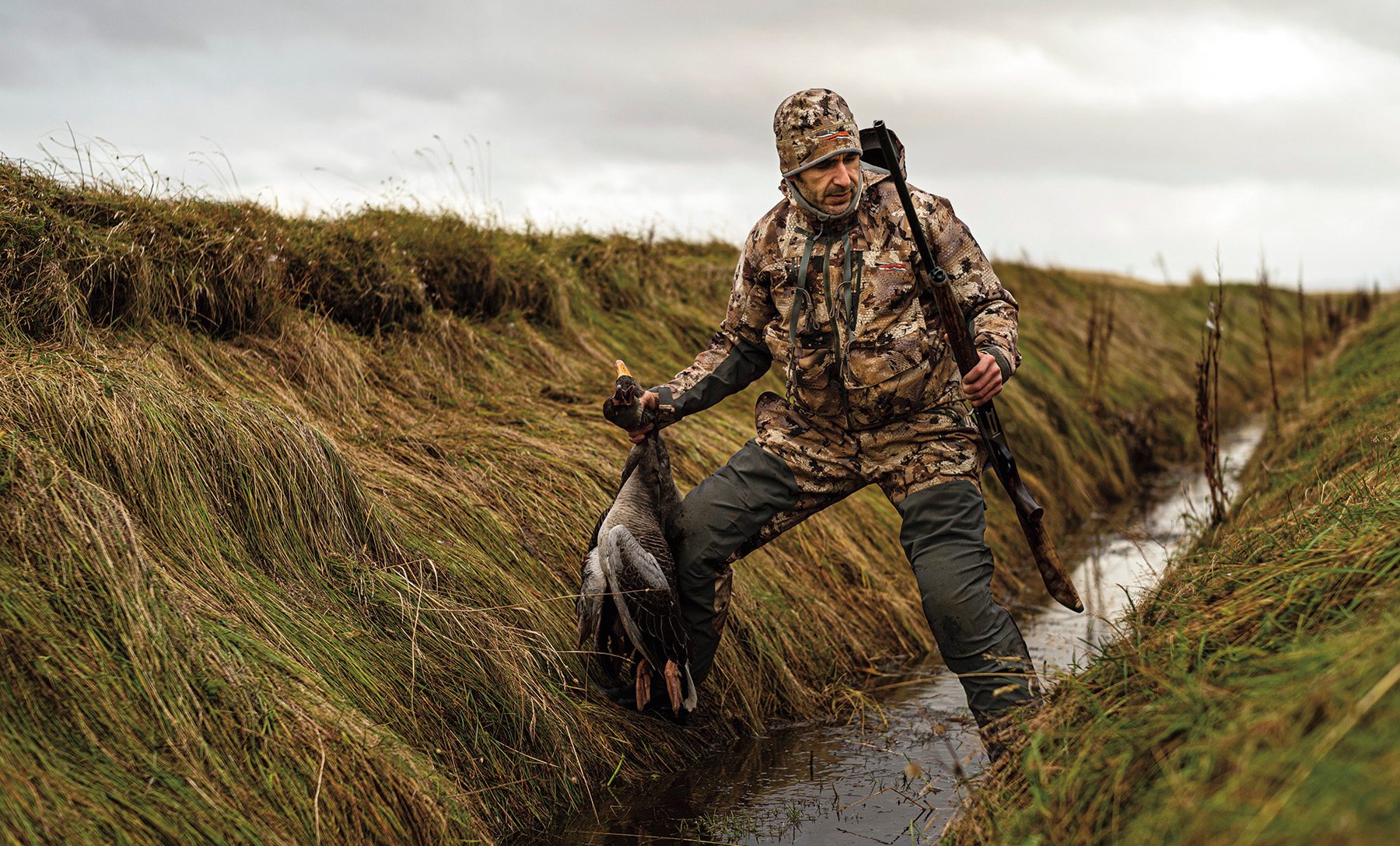
For wildfowlers, concealment and waterproofing usually matter more than anything else.
Prices vary by model and retailer, so check each brand’s website or your local gun shop for current RRP and stock.
Buy tweed where looks, tradition and longevity matter, especially for the driven peg, and technical where waterproofing, concealment and low weight come first, especially on the hill and foreshore. Modern tweed carries a breathable membrane and the technical brands now offer subtle countryside colours, so many shooters own both and switch to suit the day.
If you only buy one coat, choose a hardwearing all-rounder such as a Farlows Litchfield tweed fieldcoat with its waterproof membrane liner, or a technical option such as Deerhunter’s Pro Gamekeeper. Both cross between driven, walked-up and rough days, and the tweed options come with matching breeks and vests.
Only for concealment work such as stalking, wildfowling and pest control, and even then solid dark greens and browns break up nearly as well as a printed pattern. Camouflage is out of place on a formal driven day, so keep it for the hill and the foreshore.
Yes. Brands such as Alan Paine and Farlows build a waterproof, breathable membrane behind the tweed, so the coat is fully weatherproof while the wool keeps insulating even when damp. Lighter, more ergonomic cloths mean it no longer feels heavy or stiff.


