 Gun Reviews >
 Find a Dealer >
 Find a Club >
 Competitions >
 videos >
 Reader Survey >
Shooting glasses demystified - comfort, fogging and why they affect hearing protection too
- Last updated: 22/01/2026



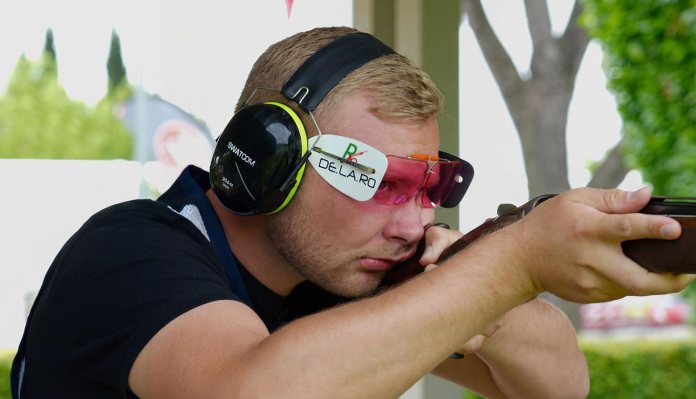
“Eyes and ears” is one of those phrases you hear so often it becomes background noise.
But in real life, your eye protection isn’t a separate add-on. It’s part of a whole setup, and if your shooting glasses are uncomfortable, keep fogging, or don’t work well with shooting ear defenders, you’ll spend the session fiddling with kit instead of focusing on the shot.
This guide is about the everyday realities: how shooting glasses should fit, why they fog, and the surprisingly common way they can compromise your hearing protection.
A lot of shooting glasses feel acceptable at first.
The problems tend to show up when you’re warm, moving, and concentrating:
None of that is about being picky. Discomfort changes behaviour, and behaviour changes protection.
Good shooting glasses should do two things at once:
Comfort is the bridge between the two.
If you can, try glasses on with the gear you actually shoot in (cap, ear defenders, shooting jacket/vest). If you’re buying online, do these checks as soon as they arrive while you can still swap them if needed.
Temple arms (the bits over your ears)
These matter more than lens colour, brand name, or how “cool” the frame looks.
Look for arms that are:
Bulky, sculpted arms often feel great without ear defenders, and uncomfortable the moment you put your ear defenders on.
Nose fit
If your glasses creep down your nose, you’ll keep pushing them back up. That means more smudges, more distraction, and more chances of breaking rhythm.
A practical rule: they should feel secure without feeling tight.
Coverage and peripheral view
Shooting positions aren’t “normal life” positions. You’ll glance down at kit, look up into a sky background, or roll your head to align with an optic.
You want:
Stability under movement
Do a few simple movements:
If the glasses shift now, they’ll shift more once you’re warm and focused.
Fogging is just condensation: warm, moist air meets a cooler lens surface and leaves a fine film of water.
Shooting environments are perfect for it:
The key point: fogging is usually an airflow and temperature problem first, and a lens problem second.
You don’t need a science project. You need a simple routine.
Put your glasses on early
Don’t wait until the last second. Let them warm up on your face before you’re actively shooting.
Avoid cold storage
A cold lens is a fog magnet. An inside pocket is often better than a cold case until you’re on the line.
Clean properly, not “shirt-clean”
Fingerprints and oily films give moisture something to cling to. Quick wipes with clothing usually smear oils rather than remove them.
Think about where your breath goes
If you wear a face covering or high collar, adjust it so you’re not sending every breath straight up behind the lenses.
The best anti-fog solution is the one you’ll remember to pack.
Consider:
Scratches matter more than people admit. Fine scratches catch light and make “fogging” feel worse, even when the lens is technically clear.
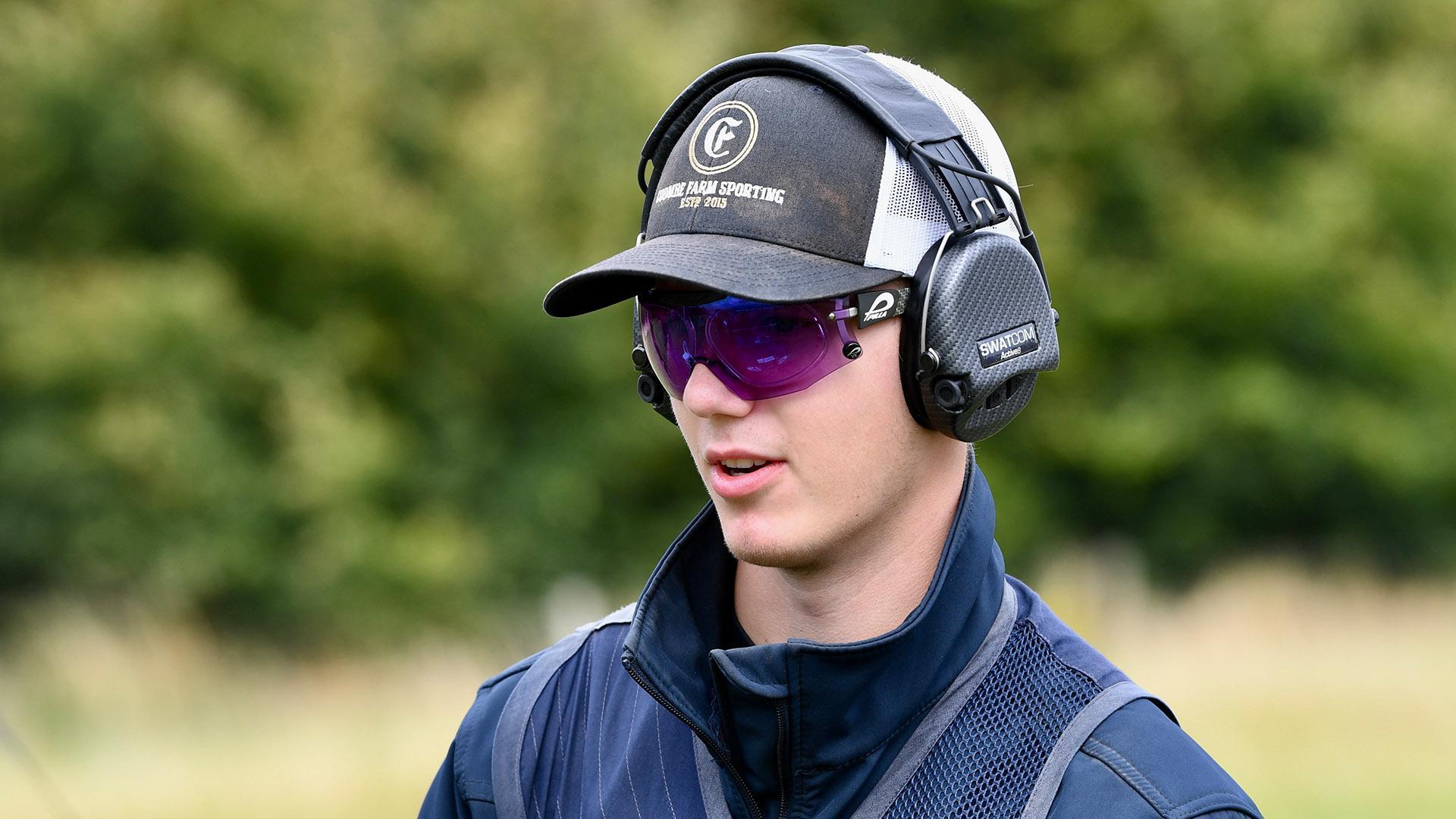
Ear defenders work by sealing around your ear. The cushion is meant to sit against your head with even pressure all the way around.
Now add a pair of glasses.
The arms pass straight through the sealing surface, creating:
That doesn’t mean you should ditch glasses or ditch ear defenders. It means you should treat them as a system.
That last point is a quick self-check: if pressing the cups changes the sound a lot, you’ve likely got a leak, and glasses arms are a prime suspect.
Choose earmuff-friendly glasses
Prioritise:
Set up ear defenders properly
Even good glasses won’t help if ear defenders are worn in a way that encourages leaks.
Consider in-ear protection when the seal is a constant battle
Plugs remove the “glasses break the seal” issue entirely. Some shooters also combine plugs with ear defenders in harsher environments so they’re less reliant on a perfect seal.
The best choice is the one you’ll keep on comfortably for the whole session.
Test it in your real shooting position
Long guns can shift ear defenders slightly on the stock side, especially if a cup contacts the stock or your jaw angle changes with cheek weld.
Try your full setup while mimicking your normal mount. A leak you can’t find standing relaxed at the bench often shows up immediately in position.
Before your next session:
You’re looking for consistency. Big changes in sound usually mean a leak.
This article is mostly about comfort and fogging, but lens choice still affects confidence and eye strain.
A few common-sense guidelines:
If you’re prone to fogging, remember that changing lenses with cold hands on a cold day can create more problems than it solves. One lens you trust can beat a full kit you never use properly.
A lot of “fogging” and “comfort” complaints are really maintenance complaints in disguise.
A few habits that pay off:

click on image to enlarge

click on image to enlarge


